What Are Small Home Renovations?
Small home renovations are strategic improvements designed to maximize functionality while embracing eco-conscious living and unique aesthetics in compact spaces. These modifications focus on creating efficient, livable environments that make the most of every square foot. For future tiny home owners, small home renovations serve as practice for the minimalist lifestyle they’re planning to adopt. These upgrades teach space management skills while improving current living conditions through compact living solutions.
Why Small Home Renovations Matter For Tiny Living
The tiny home movement in 2025 is characterized by a blend of sustainability and innovation, offering a lifestyle that’s both budget-friendly and environmentally conscious. Small home renovations provide excellent preparation for this transition. They help future tiny homeowners understand how to live efficiently within limited square footage through space-saving renovations.
Sustainability remains a major driving force behind tiny home design in 2025. Starting with small home renovations allows you to experiment with eco-friendly materials and energy-efficient solutions before committing to tiny living. These minimalist home improvements create the foundation for successful downsizing.
Essential Small Home Renovations For Future Tiny Owners
Efficient Storage Systems Installation
Effective storage represents the cornerstone of successful small home renovations. Install vertical shelving that reaches the ceiling to maximize every inch of available space. Add under-bed storage drawers and utilize dead space behind doors for additional organization. Hidden storage spaces can remain out of the way while keeping things organized.
Built-in storage benches serve dual purposes as seating and organization solutions. Consider murphy beds that fold into walls during the day, creating flexible living areas. These efficient storage systems prepare you for tiny living where every item needs a designated place and purpose.
Multi-Functional Furniture Integration
Custom pieces can fit irregular room dimensions perfectly when you can’t find exactly what you’re looking for. Choose multi-functional furniture that serves multiple purposes throughout your living space. Ottoman storage cubes provide seating, tables, and organization capabilities in one compact piece.
Expandable dining tables accommodate guests when needed but fold down for daily use. Wall-mounted desks create dedicated workspace without permanent floor commitment. These small space design elements teach you to think creatively about furniture selection for future tiny living arrangements.
Kitchen Space-Saving Renovations
Utilizing high-gloss paint and shiny backsplashes reflects more light into the space, making small kitchens feel larger. Replace bulky appliances with compact, energy-efficient models that maximize counter space. Install pull-out pantry systems that transform standard cabinets into efficient storage systems.
Add magnetic strips for knife storage and wall-mounted spice racks to free up valuable counter real estate. Finding clever ways to hide smaller appliances saves counter space and maintains your desired aesthetic. These kitchen space-saving renovations mirror the space-conscious cooking environments found in modern tiny homes.
Bathroom Micro Home Modifications
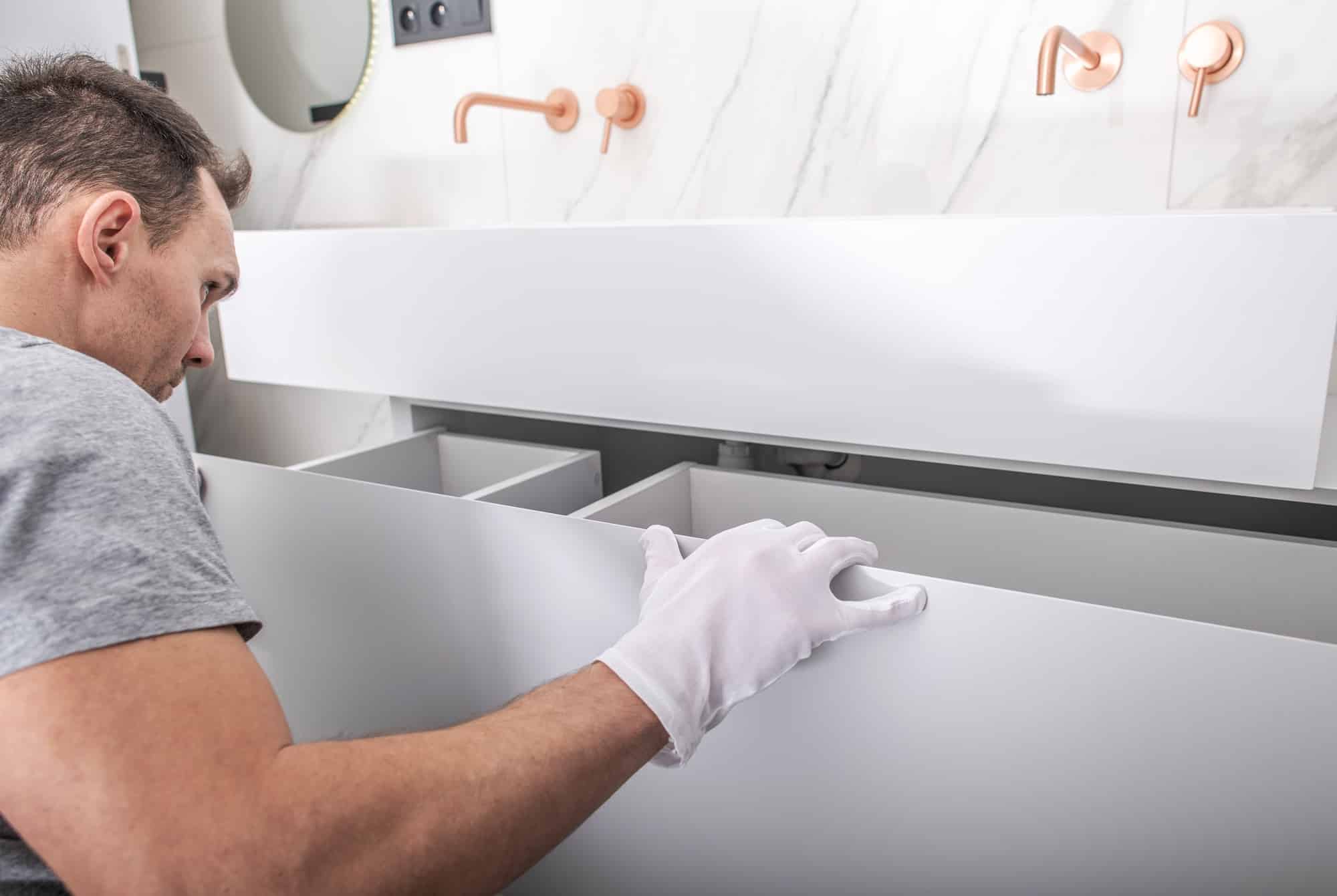
Small bathroom renovations focus on efficiency and maximum functionality. Install corner sinks to free up precious floor space for movement. Add over-toilet storage cabinets for towels, toiletries, and cleaning supplies. Replace traditional swing doors with sliding barn doors that eliminate space requirements for door clearance.
Wall-mounted toilets create cleaning space underneath while appearing more modern and streamlined. These micro home modifications prepare you for tiny home bathrooms where every square inch must serve a purpose.
Lighting And Visual Enhancement
Layering lighting creates a magical atmosphere, curating little glowing pools of light that cast a dappled glow and make any space look heavenly. Replace single overhead fixtures with multiple strategically placed light sources. Add under-cabinet LED strips in kitchens and focused task lighting in work areas.
Mirrors are a classic small-space design trick that make areas feel larger. Install large mirrors strategically to reflect natural light throughout your living space. These lighting improvements create the bright, airy feeling essential for comfortable compact living solutions.
Sustainable Living Upgrades
Choose eco-friendly materials for your small home renovations to align with tiny home values. Reclaimed wood and bamboo reduce your environmental footprint while adding character. Select low-VOC paints and finishes for healthier indoor air quality in your compact space.
Energy-efficient windows reduce heating and cooling costs significantly. Solar-powered lighting options prepare you for potential off-grid tiny living situations. These sustainable living upgrades demonstrate environmental responsibility while improving your current living conditions.
Budget Planning For Small Home Renovations
Simple cosmetic updates, such as repainting or replacing fixtures like faucets, have dramatically different financial implications than full-scale structural modifications. Most small home renovations cost between $1,000 to $15,000 depending on project scope and materials chosen for implementation.
Priority tiny home upgrades include storage solutions and multi-functional furniture installations. These provide immediate quality-of-life benefits while preparing for future tiny living transitions. Budget an additional 20% for unexpected issues that commonly arise during renovation projects.
DIY projects can significantly reduce overall costs for motivated homeowners. Paint application, shelving installation, and fixture replacement represent manageable projects for most people. Professional help may be required for electrical work and plumbing modifications to ensure safety and code compliance.
Preparing For The Tiny Home Transition
Small home renovations serve as valuable practice for future tiny living success. They teach you to evaluate possessions critically and maintain organized systems consistently. A 2024 study found that 63% of tiny home dwellers report lower financial stress, and 55% have more disposable income than when they lived in traditional homes.
Start your downsizing preparations during renovation projects by critically evaluating every possession. Donate items you haven’t used in six months to practice living with fewer belongings. Practice maintaining organized systems to prepare for tiny home storage constraints and limitations.
Document successful strategies from your renovated space carefully. These lessons will guide your future tiny home design choices and help you avoid common mistakes during your transition to minimalist living.
Common Mistakes To Avoid
Don’t over-renovate your current space if tiny living represents your ultimate goal. Focus on changes that provide immediate benefits and valuable learning experiences for compact living solutions. Avoid permanent modifications that can’t transfer to your future tiny homes.
Choose quality over quantity in all renovation decisions. Custom tiny homes typically cost more than kits, but materials are subject to market pricing. Invest in high-quality items you can potentially reuse in your future tiny home construction or setup.
Research local regulations thoroughly before beginning any renovation work. Some modifications may affect property values or existing rental agreements. Plan renovations that align strategically with your timeline for tiny home transition and relocation.
Small home renovations provide essential preparation for successful tiny living while dramatically improving your current quality of life. These strategic improvements teach valuable space management skills, introduce sustainable living practices, and help you understand what works effectively in compact environments. By starting with thoughtful minimalist home improvements, you’ll transition to tiny home ownership with confidence and practical hands-on experience.