Washington DC’s diplomatic quarter represents one of the world’s most prestigious concentrations of embassy property conversion projects, where grand residential mansions become functional diplomatic facilities serving nations from around the globe. The transformation from private residence to embassy requires understanding both the architectural heritage of these remarkable properties and the complex operational needs of modern diplomatic missions.
Historic Kalorama, Embassy Row along Massachusetts Avenue, and surrounding diplomatic neighborhoods contain over 175 embassies and diplomatic residences, many housed in converted mansions originally built for Washington’s social elite. According to the U.S. State Department’s Diplomatic Security Service, these conversions must balance preservation requirements with stringent security protocols while creating functional spaces for international diplomacy.
1. Historic Kalorama: The Heart of Diplomatic Washington
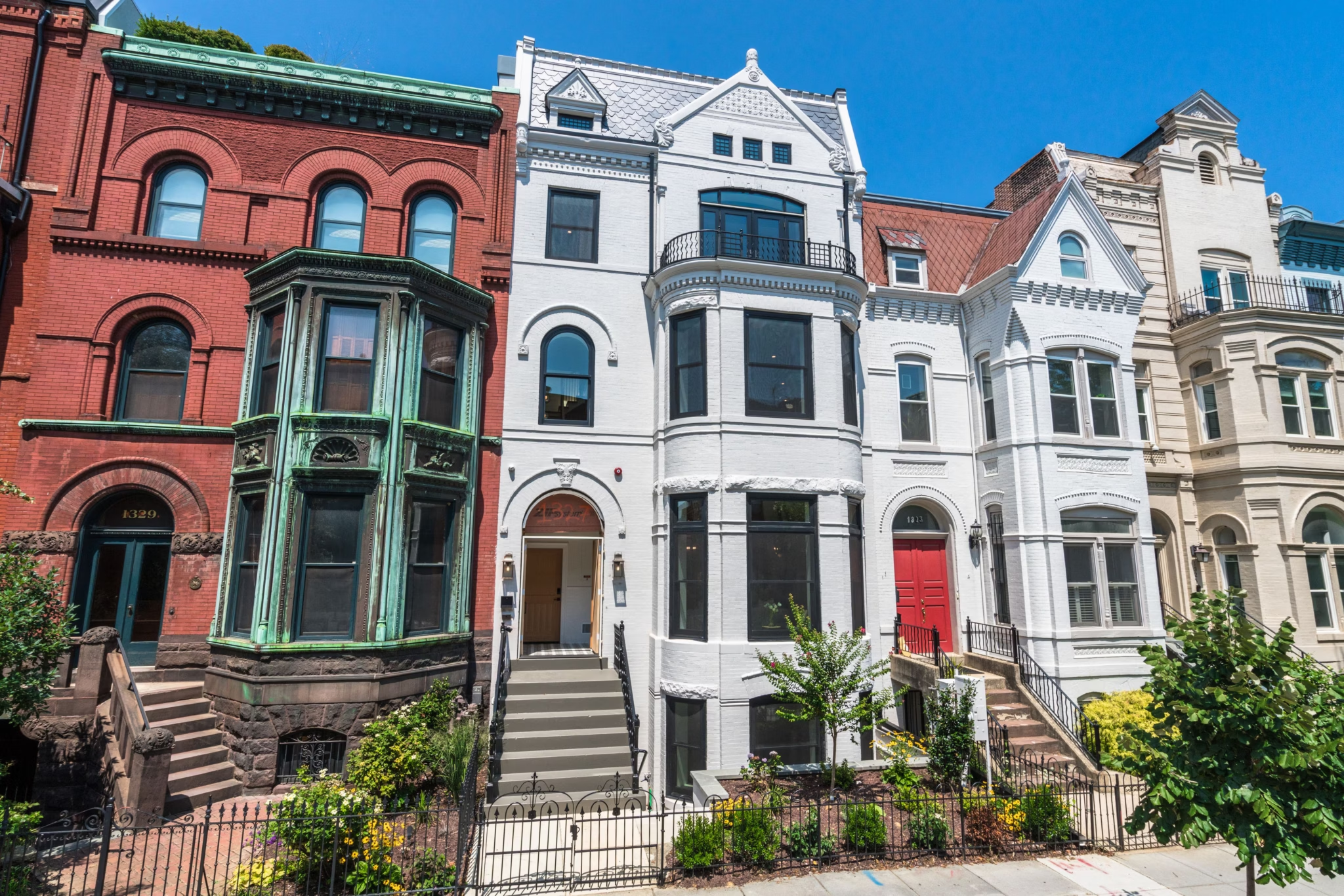
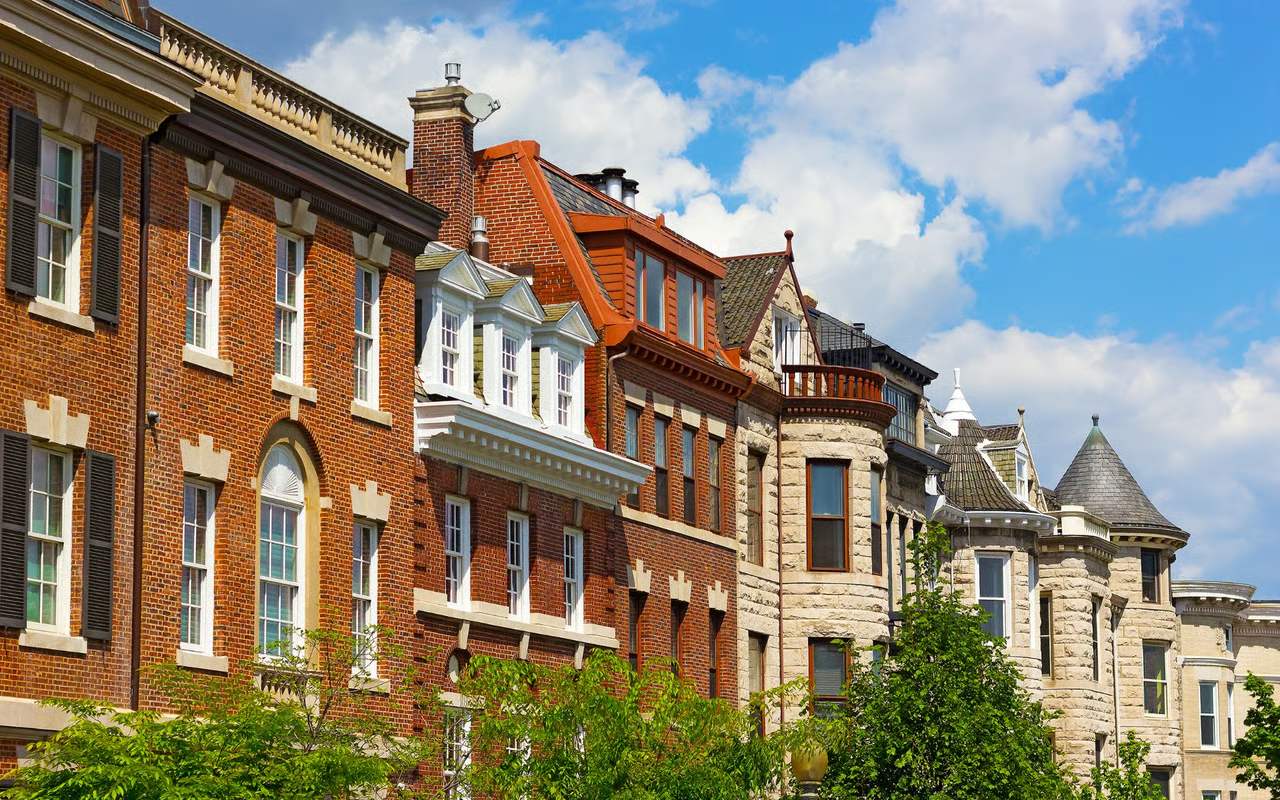
Kalorama’s tree-lined streets contain some of Washington’s most significant embassy property conversion projects, where Gilded Age mansions have been transformed into diplomatic facilities that maintain their architectural grandeur while serving international missions. These conversions require deep understanding of both historic preservation and diplomatic operational needs.
Kalorama Embassy Property Conversion Features:
- Beaux-Arts and Georgian Revival mansions with grand reception rooms
- Original architectural details including ornate plasterwork and millwork
- Formal gardens and courtyards adapted for diplomatic entertaining
- Service areas converted to modern administrative and security functions
- Integration of contemporary technology within period room configurations
The Barbados Embassy, French Ambassador’s residence and numerous other diplomatic mansions in Kalorama demonstrate successful conversions that honor architectural heritage while meeting modern diplomatic requirements.
2. Embassy Row: Massachusetts Avenue’s Diplomatic Corridor
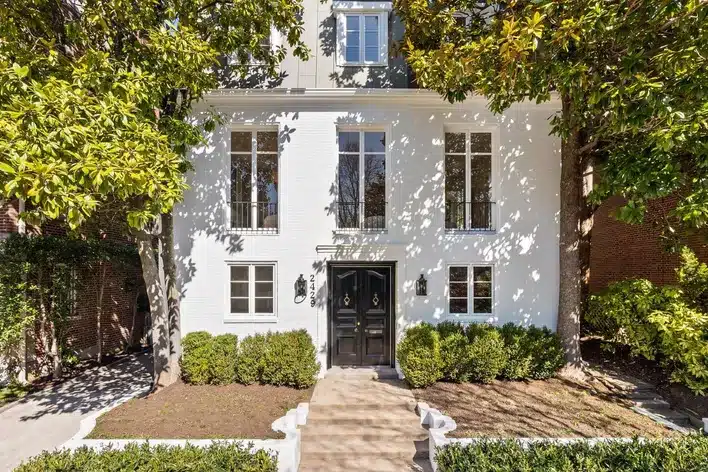
Massachusetts Avenue’s Embassy Row represents the most concentrated area of diplomatic facilities in Washington, featuring mansions converted to serve as chanceries, cultural centers, and ambassador residences that reflect their nations’ cultural heritage.
Embassy Property Conversion Features:
- Grand entry halls transformed into formal reception areas
- Ballrooms adapted for diplomatic receptions and cultural events
- Library and study spaces converted to conference and meeting rooms
- Former servant quarters modernized into administrative offices
- Security integration that maintains street-facing architectural character
Successful Embassy Row conversions balance the need for public access during diplomatic events with security requirements and neighborhood preservation standards.
3. Security Integration in Embassy Property Conversion
Discrete Security Systems for Historic Properties
Modern embassy property conversion requires sophisticated security systems that protect diplomatic personnel and facilities while maintaining the architectural integrity of historic mansions. These systems must meet State Department requirements without compromising historic character.
Security Integration Strategies:
- Perimeter security systems concealed within landscaping and architectural elements
- Reinforced windows and doors that maintain original appearance
- Access control systems integrated with period hardware and fixtures
- Surveillance systems positioned to avoid visual impact on historic facades
- Emergency communication systems concealed within existing building infrastructure
The Department of Homeland Security’s critical infrastructure protection guidelines provide frameworks for diplomatic facility security while respecting historic preservation requirements.
Blast Resistance and Structural Reinforcement
Embassy conversions often require structural modifications to meet current security standards while preserving historic facades and interior architectural details.
Structural Security Enhancements:
- Window and door reinforcement using materials that maintain historic appearance
- Structural upgrades concealed within existing wall and floor systems
- Safe room construction within existing mansion layouts
- Utility system redundancy and protection against tampering
- Emergency egress planning that works within historic building configurations
4. Functional Space for Diplomatic Operations
Converting residential mansions into functional embassies requires reimagining grand domestic spaces for diplomatic protocols, administrative functions, and cultural programming while maintaining the elegance that makes these properties suitable for international representation.
Space Conversion Strategies:
- Grand foyers transformed into formal diplomatic reception areas
- Dining rooms adapted for official entertaining and state dinners
- Drawing rooms converted to meeting spaces for bilateral discussions
- Former bedrooms repurposed as offices for diplomatic staff
- Service areas modernized for catering and event support functions
Embassies throughout Dupont Circle and Cleveland Park demonstrate successful functional conversions that maintain residential scale while supporting complex diplomatic operations.
5. Cultural Representation Through Interior Design
Successful embassy property conversion incorporates cultural elements that represent the sending nation while respecting the historic architecture of Washington’s diplomatic mansions. This balance creates authentic cultural spaces within American architectural frameworks.
Cultural Integration Elements:
- Traditional materials and colors that complement existing architectural details
- Cultural artifacts and artwork displayed within period room settings
- Lighting systems that accommodate both cultural displays and diplomatic functions
- Flexible exhibition spaces for rotating cultural programming
- Audio-visual systems supporting cultural presentations and diplomatic briefings
The Embassy of Ireland in Sheridan Circle and other diplomatic missions demonstrate how cultural identity can be expressed within historic American mansion settings.
Related Reading
- Historic Property Modernization Strategies – Learn proven techniques for integrating contemporary systems and security features while preserving architectural character in Washington’s most prestigious historic neighborhoods and diplomatic properties.
- Specialized Commercial Construction Projects – Discover comprehensive project management approaches for complex renovations that require regulatory compliance, security considerations, and coordination with multiple oversight agencies.
- Universal Design for Diplomatic Facilities – Explore accessibility requirements and design principles that ensure diplomatic properties accommodate international visitors while meeting ADA compliance and diplomatic protocol standards.
Neighborhood Integration and Community Relations
Georgetown Diplomatic Properties
Georgetown’s diplomatic facilities require particularly sensitive conversion approaches due to the neighborhood’s historic district status and active residential community. These projects must balance security needs with neighborhood character preservation.
Georgetown Conversion Considerations:
- Historic Preservation Review Board approval for all exterior modifications
- Community consultation regarding traffic and security impacts
- Landscape design that maintains neighborhood streetscape character
- Event planning that considers residential neighbor concerns
- Parking solutions that minimize impact on neighborhood streets
Successful Georgetown embassy property conversions demonstrate how diplomatic facilities can enhance rather than disrupt historic neighborhood character.
Woodley Park and Cleveland Park Diplomatic Residences
Embassy property conversion in these neighborhoods often focuses on ambassador residences that require different considerations than chancery buildings, emphasizing private family space alongside official entertaining capabilities.
Residential Embassy Features:
- Private family quarters separated from official entertaining areas
- Guest accommodations for visiting dignitaries and family members
- Staff quarters and service areas supporting household operations
- Security systems that protect family privacy while ensuring safety
- Outdoor spaces designed for both family use and official entertaining
Technology Integration in Historic Embassy Conversions
Modern Communication Systems
Contemporary diplomatic operations require sophisticated communication infrastructure that must be integrated discretely within historic mansion architecture without compromising security or aesthetic integrity.
Communication Infrastructure Requirements:
- Secure communication systems meeting State Department encryption standards
- High-speed internet connectivity with redundant backup systems
- Video conferencing capabilities for international diplomatic consultations
- Public address systems for events and emergency communications
- Integration with home country communication networks
Research from diplomatic facility technology standards shows that proper infrastructure integration reduces operational costs while improving diplomatic effectiveness.
Climate Control for Art and Artifact Preservation
Embassy property conversions often house valuable cultural artifacts and artwork requiring precise environmental controls that preserve collections while maintaining comfort for diplomatic functions.
Environmental Control Systems:
- HVAC systems with zone control for different space requirements
- Humidity monitoring and control systems protecting cultural materials
- Air filtration systems meeting museum-quality standards
- Lighting controls that protect artwork while supporting diplomatic functions
- Security integration with environmental monitoring systems
Project Management for Embassy Property Conversion
Multi-Agency Coordination
Embassy property conversion projects require coordination with numerous federal agencies, international diplomatic protocols, and local preservation authorities, demanding experienced project management that understands these complex relationships.
Coordination Requirements:
- State Department Diplomatic Security Service approval and oversight
- Historic Preservation Review Board compliance and permitting
- DC government building permits and inspection coordination
- International diplomatic protocol consultation
- Utility coordination for enhanced service requirements
Professional project management ensures all stakeholder requirements are met while maintaining construction schedules and budget efficiency.
Phased Construction for Operational Continuity
Many embassy property conversion projects require phased approaches that maintain diplomatic operations while upgrading facilities, particularly important for established embassies expanding or renovating existing facilities.
Phased Construction Benefits:
- Continued diplomatic operations during renovation phases
- Reduced temporary relocation costs for embassy staff
- Opportunity to test security and operational systems before full implementation
- Staged investment that aligns with diplomatic budget cycles
- Risk mitigation through incremental system validation
Cost Considerations and Investment Analysis
Embassy Conversion Investment Requirements
Professional embassy property conversion typically ranges from $400-$800 per square foot depending on security requirements, historic preservation needs, and technology integration complexity. These investments reflect the specialized nature of diplomatic facility construction.
Cost Factors:
- Security system integration meeting State Department standards
- Historic preservation compliance and specialty restoration work
- Technology infrastructure supporting modern diplomatic operations
- Cultural integration and custom millwork reflecting national identity
- Ongoing maintenance systems designed for long-term diplomatic use
Embassy investments typically reflect long-term diplomatic presence, with many missions occupying converted properties for decades while maintaining and upgrading facilities to meet evolving needs.
Long-term Value and Diplomatic Effectiveness
Well-executed embassy property conversions provide significant diplomatic value through enhanced cultural representation, improved operational efficiency, and strengthened community relationships that support diplomatic objectives.
Value Creation Benefits:
- Enhanced cultural programming capabilities supporting diplomatic outreach
- Improved operational efficiency through optimized space planning
- Strengthened community relationships through sensitive neighborhood integration
- Increased diplomatic effectiveness through appropriate representation facilities
- Long-term property value protection through quality preservation and improvement
Washington’s diplomatic quarter continues evolving as nations acquire and convert historic properties to serve their diplomatic missions. These embassy property conversion projects require specialized expertise that understands both the architectural heritage of these remarkable buildings and the complex operational requirements of modern diplomacy.
Our team brings 45+ years of construction experience to embassy and diplomatic facility projects throughout Washington’s historic neighborhoods, specializing in conversions that honor architectural heritage while meeting the security, functional, and cultural representation needs of international diplomatic missions.
From initial feasibility studies through final commissioning, we manage every aspect of embassy property conversion with the discretion, security awareness, and attention to detail that diplomatic facilities require throughout Kalorama, Embassy Row, Georgetown, and Washington’s other prestigious diplomatic neighborhoods.
Ready to transform a historic property into a world-class diplomatic facility?
Contact our team for a confidential embassy property conversion consultation that addresses security requirements, preservation standards, and diplomatic operational needs while honoring the architectural heritage of Washington’s most prestigious neighborhoods.