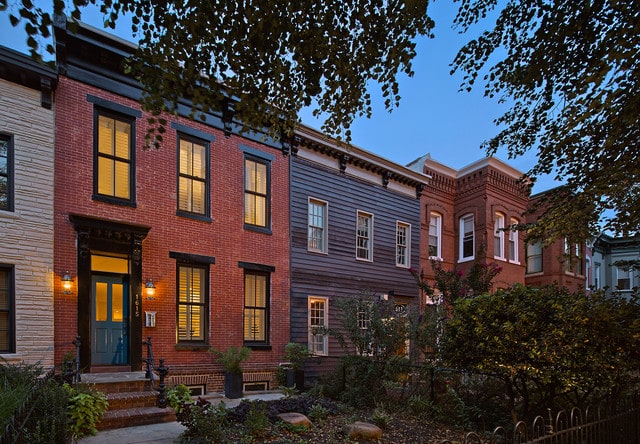
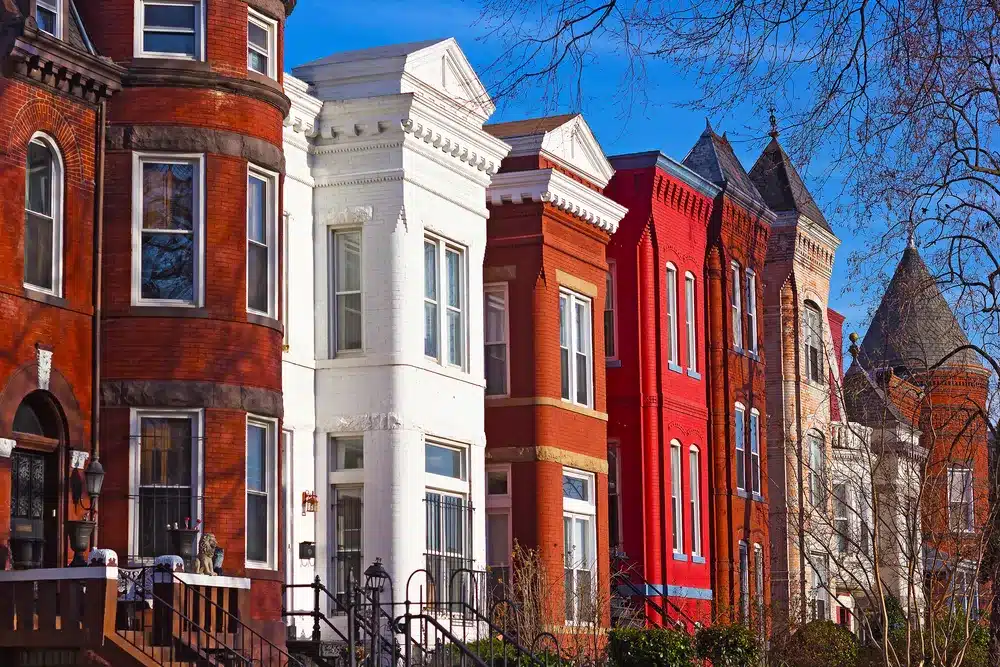
CAPITOL HILL, WASHINGTON DC – Renovating a historic home in Capitol Hill requires more than construction skills—it demands deep knowledge of preservation laws, period-appropriate materials, and complex approval processes. With over 8,000 contributing buildings spanning 150 years of architectural styles, Capitol Hill presents unique challenges that can derail projects and inflate costs when handled by inexperienced contractors.
Capitol Hill Historic District, designated in 1976, is one of America’s largest historic districts. The neighborhood evolved from a small boarding house community for Congress members into a diverse residential area featuring Federal townhouses, ornate Victorian rowhouses, and everything in between. This architectural diversity means that successful renovation requires contractors who understand multiple construction eras and their specific requirements.
At Reflex Builders, our four decades of experience in DC’s historic districts has taught us that Capitol Hill projects succeed when contractors understand both the neighborhood’s architectural heritage and the regulatory framework that protects it. Every exterior alteration requires careful planning, proper permits, and craftsmanship that meets strict preservation standards.
Why Capitol Hill Renovation is Different
Capitol Hill’s preservation requirements go far beyond typical building codes. The Historic Preservation Review Board (HPRB) and Historic Preservation Office (HPO) review all exterior work to ensure compatibility with the district’s character. This means your contractor must understand not just how to build, but how to work within a complex approval system that can delay projects for months if handled incorrectly.
The neighborhood’s Victorian-era construction presents technical challenges that modern contractors often underestimate. Pressed brick rowhouses, cast iron details, and period windows require specialized knowledge and materials that aren’t found in typical construction projects. Many contractors discover these complexities mid-project, leading to cost overruns and delays.
Party wall construction, where rowhouses share structural walls, adds another layer of complexity. Modifications to one property can affect neighboring buildings, requiring careful structural analysis and coordination. This interconnected nature means that mistakes can have consequences beyond your property, potentially creating liability issues with neighbors.
Understanding Capitol Hill’s Architectural Periods
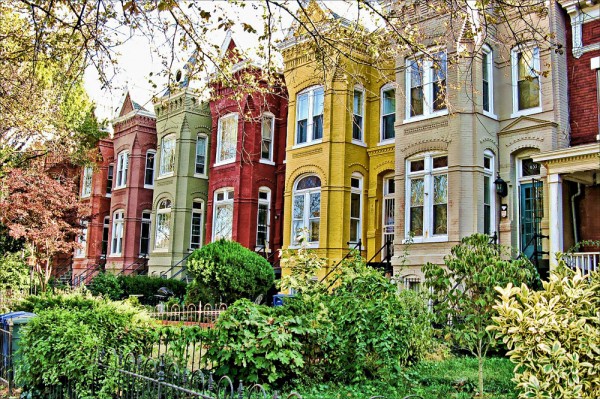
Capitol Hill’s building stock represents distinct architectural periods, each with specific construction methods and materials. Federal-style buildings from the early 1800s feature different brick laying patterns, window configurations, and structural systems than Victorian-era rowhouses built 50 years later. Your contractor must understand these differences to specify appropriate materials and techniques.
The predominant Victorian-era buildings showcase Italianate, Second Empire, Queen Anne, and Romanesque Revival styles. These structures feature complex details like corbeled cornices, bay windows, decorative brickwork, and cast iron elements that require skilled craftsmanship to repair or replicate. Generic renovation approaches often result in inappropriate alterations that diminish both historical authenticity and property value.
Pressed brick construction, characteristic of Capitol Hill’s finest rowhouses, uses denser, more precisely manufactured bricks laid with narrow “butter joints.” This technique creates the smooth, unified appearance that defines the neighborhood’s streetscape. Repointing or repairing pressed brick requires specific mortar formulations and application techniques that differ significantly from common brick construction.
Navigating the Permit Process
Capitol Hill’s permit process involves multiple review levels that can confuse contractors unfamiliar with historic preservation requirements. Simple repairs and in-kind replacements can be approved by HPO staff within days, while larger alterations require HPRB review at monthly meetings. Understanding which category your project falls into is crucial for accurate scheduling and budgeting.
The key to successful permit approval lies in thorough documentation and appropriate material specifications. Projects that propose compatible materials and demonstrate understanding of the building’s historical significance move through review more quickly than those that require multiple revisions. Experienced contractors know how to present projects in ways that satisfy preservation requirements while achieving client goals.
Common permit delays occur when contractors propose inappropriate materials or fail to understand the district’s design guidelines. For example, installing vinyl windows on a front facade will be rejected, while the same windows might be acceptable on a rear elevation. These nuances require local expertise that comes from years of working within the district.
Material Requirements for Historic Homes in Capitol Hill
Capitol Hill’s preservation standards mandate specific material choices based on the building’s period and architectural style. Wood windows are typically required on prominent elevations, while alternative materials may be acceptable on rear facades. Front yard fences should be iron rather than vinyl or aluminum, and certain architectural details must be replicated in their original materials.
Sourcing historically appropriate materials requires specialized supplier relationships that most contractors lack. Pressed brick replacements must match the original units in color, texture, and dimensions. Cast iron repairs require fabrication shops that understand traditional techniques. Window restoration demands suppliers who can provide historically accurate glazing compound and hardware.
The cost and availability of appropriate materials significantly impact project budgets and timelines. Contractors without established supplier relationships often face delays when specialized materials aren’t readily available. This is particularly challenging for cast iron elements, period hardware, and custom millwork that may require extended lead times.
Why Remodeling Experience Matters in Capitol Hill
Capitol Hill renovation requires contractors who understand both traditional construction techniques and modern preservation standards. Victorian-era buildings were constructed using methods that differ significantly from contemporary practices. Load-bearing masonry walls, balloon framing, and knob-and-tube electrical systems require specialized knowledge to modify safely and appropriately.
Reflex Builders’ decades of Capitol Hill experience means we understand the district’s unique challenges before they become problems. We know which materials will gain approval, how to navigate the permit process efficiently, and which construction details require special attention. This experience translates directly into smoother projects and better outcomes for our clients.
Our established relationships with specialized suppliers, preservation consultants, and regulatory officials streamline project execution. We can source appropriate materials quickly, prepare permit applications that satisfy review requirements, and execute construction work that meets preservation standards. This comprehensive approach prevents the delays and cost overruns that plague contractors new to historic preservation work.
Capitol Hill Renovation Challenges
Structural modifications in Capitol Hill rowhouses often reveal unexpected conditions that require adaptive solutions. Original foundation systems, built with rubble stone and lime mortar, may need reinforcement when adding modern mechanical systems. Roof modifications for contemporary needs must respect the building’s historic profile while meeting current codes.
Integrating modern systems into historic buildings requires creative solutions that preserve architectural integrity. HVAC systems must be routed carefully to avoid damaging decorative elements, while electrical and plumbing upgrades must work within existing structural limitations. These challenges require contractors who can develop innovative solutions within preservation constraints.
Window restoration presents particular challenges in Capitol Hill’s Victorian buildings. Original windows often feature complex configurations with stained glass panels, decorative sash patterns, and intricate hardware. Repair requires craftsmen who understand traditional glazing techniques and can source appropriate replacement components when restoration isn’t possible.
The Resale Value of Historic Renovations
Well-executed historic renovation in Capitol Hill delivers superior long-term value through enhanced property values and reduced maintenance requirements. The district’s protected status ensures that property values remain stable while inappropriate alterations can significantly diminish resale value. Quality preservation work using appropriate materials and techniques protects your investment while contributing to the neighborhood’s continued vitality.
Capitol Hill’s popularity among government professionals, young families, and preservation enthusiasts creates strong demand for authentic historic properties. Homes that retain their architectural integrity while incorporating modern amenities command premium prices and sell more quickly than those with inappropriate alterations.
The neighborhood’s walkability, proximity to the Capitol complex, and rich architectural heritage ensure long-term desirability. Properties that are properly maintained using preservation standards benefit from this stable investment environment while contributing to the district’s continued success as one of Washington’s most desirable residential neighborhoods.
Choosing the Right Capitol Hill DC Contractor
Successful Capitol Hill renovation requires contractors with demonstrated experience in historic preservation work. Look for contractors who can provide examples of completed projects in historic districts, understand local permit requirements, and have established relationships with appropriate suppliers and consultants.
Ask potential contractors about their experience with Capitol Hill’s specific requirements. Can they explain the difference between HPRB and HPO review? Do they understand pressed brick construction and cast iron restoration? Have they worked with the district’s design guidelines? These questions help identify contractors with the specialized knowledge necessary for successful projects.
References from previous Capitol Hill clients provide valuable insights into a contractor’s performance under the district’s unique requirements. Preservation work demands patience, attention to detail, and flexibility when unexpected conditions arise. Contractors who have successfully navigated these challenges in the past are more likely to deliver successful outcomes for your project.
Ready to Begin Your Capitol Hill Renovation?
Capitol Hill historic renovation requires more than construction expertise—it demands deep understanding of preservation principles, regulatory requirements, and traditional building techniques. The district’s architectural significance and complex approval processes make contractor selection crucial for project success.
Reflex Builders’ four decades of experience in Capitol Hill renovation provides the specialized knowledge necessary to navigate the district’s unique challenges while delivering superior craftsmanship. Our understanding of local requirements, established supplier relationships, and proven track record ensure that your project proceeds smoothly while preserving your property’s historic character.
Whether you’re planning a simple repair or a comprehensive renovation, choosing an experienced Capitol Hill contractor prevents costly delays and ensures that your project meets all preservation requirements. The district’s continued success depends on maintaining the skilled workforce and specialized knowledge necessary for authentic preservation work.
Planning a Capitol Hill renovation project? Contact Reflex Builders for a consultation. Our specialized experience in the district’s preservation requirements and proven track record with historic properties ensure your project succeeds while preserving your home’s architectural heritage.