
Mantel refers to the decorative and functional architectural element that surrounds and frames a fireplace opening, typically consisting of a horizontal shelf (mantelpiece) supported by vertical legs or brackets that create an ornamental focal point while providing display space and visual definition to the fireplace area. This essential component of fireplace design serves both practical and aesthetic purposes by concealing structural elements, providing heat protection for wall surfaces, and creating architectural character that enhances interior design while maintaining proper clearances from combustible materials as required by building codes and safety standards.
Mantel
|
|
|---|---|
| Category | Fireplace Systems, Millwork |
| Subfield | Interior Design, Fire Safety, Decorative Elements |
| Key Characteristics | Decorative framing, heat protection, display functionality |
| Primary Applications | Fireplace finishing, interior design, architectural detailing |
| Industry Impact | Fire safety, aesthetic enhancement, property value |
| Sources: NFPA Standards, IRC Requirements, Millwork Institute Guidelines, Fireplace Manufacturer Specifications | |
Other Names
Mantelpiece, fireplace mantel, mantel shelf, chimney piece, fireplace surround, hearth mantel, mantel assembly, fireplace trim, overmantel
History
Medieval Times-1400s: Early Fireplace Development
Medieval castles and manor houses featured simple stone or wooden beam mantels that served primarily functional purposes including smoke deflection and structural support for massive chimney systems. Early mantels were often carved from single pieces of stone or heavy timber and incorporated defensive elements including weapon storage and heraldic symbols. The transition from central hearths to wall-mounted fireplaces drove development of more sophisticated mantel designs that integrated with evolving architectural styles.
1500s-1600s: Renaissance Elaboration
Renaissance architecture brought increasingly elaborate mantel designs featuring classical architectural elements including columns, pediments, and carved ornamentation that reflected wealth and artistic sophistication. Italian and French influences introduced marble and stone carving techniques that created ornate mantels as major architectural focal points in palace and manor house construction. The development of more efficient fireplace design allowed mantels to become primarily decorative elements rather than purely functional components.
1700s-1800s: Colonial and Georgian Styles
American colonial architecture adapted European mantel traditions to local materials and building techniques, creating distinctive regional styles using native woods and simplified classical details. Georgian and Federal period mantels featured refined proportions and classical detailing that established enduring design principles for residential fireplace construction. The Industrial Revolution enabled mass production of standardized mantel components and hardware that made elaborate fireplace treatments accessible to middle-class homeowners.
1800s-1900s: Victorian Ornamentation
Victorian era mantel design reached peaks of decorative complexity with elaborate carved details, multiple materials, and integrated mirrors, tiles, and metalwork that created dramatic architectural statements. Industrial manufacturing techniques enabled production of cast iron, ceramic, and composite mantel components that reduced costs while maintaining ornate appearance. The development of central heating systems began reducing reliance on fireplaces for primary heating, allowing mantels to become purely decorative architectural elements.
1920s-1960s: Modern Simplification
Modern architectural movements simplified mantel design toward clean lines, minimal ornamentation, and integration with overall interior design concepts rather than standalone decorative elements. Art Deco and Mid-Century Modern styles introduced new materials including steel, concrete, and composite materials that expanded mantel design possibilities. The popularity of ranch-style homes and open floor plans influenced mantel design toward simpler, more horizontal proportions that complemented contemporary living spaces.
1970s-Present: Contemporary and Traditional Revival
Contemporary mantel design encompasses both traditional revival styles and modern minimalist approaches that reflect diverse architectural preferences and lifestyle needs. Advanced manufacturing techniques enable custom mantel production with precise tolerances and sophisticated finishing that accommodates both traditional and contemporary design aesthetics. Energy efficiency considerations and environmental concerns influence mantel material selection and design integration with high-efficiency fireplace systems and building envelope performance.
Technical Specifications
Clearance Requirements and Fire Safety
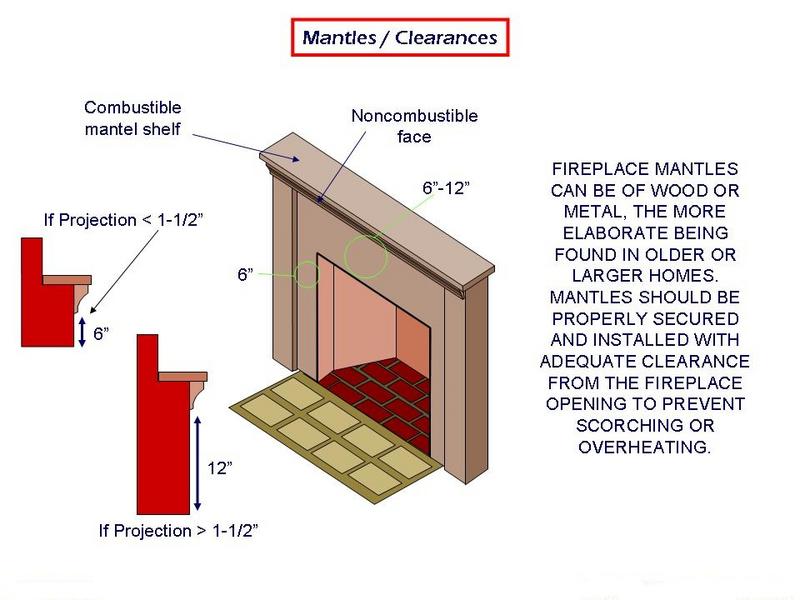
Building codes establish minimum clearance requirements between combustible mantel materials and fireplace openings, typically requiring 6-12 inches depending on mantel projection and fireplace type. National Fire Protection Association (NFPA) standards specify clearances based on mantel depth and height above the fireplace opening to prevent ignition of combustible materials. Heat-resistant materials and fire-stopping requirements may be necessary for mantels installed close to high-temperature fireplace systems or in commercial applications.
Structural Support and Installation
Mantel installation requires adequate structural support for the weight of mantel components plus anticipated live loads from decorative objects and seasonal decorations. Wall attachment systems must distribute loads appropriately to building framing systems while accommodating thermal movement and normal building settlement. Heavy stone or masonry mantels may require dedicated structural support including foundations, steel reinforcement, or specialized mounting systems engineered for specific load conditions.
Applications
Residential Fireplace Applications
Residential mantels serve multiple functions including architectural focal points, display areas for decorative objects, and visual integration of fireplace systems with interior design themes and room proportions. Traditional residential applications emphasize wood construction with painted or stained finishes that complement existing millwork and architectural details. Contemporary residential mantels may incorporate modern materials including metal, stone, concrete, or composite materials that create dramatic visual statements.
Commercial and Institutional Applications
Commercial mantels in hotels, restaurants, and public buildings require enhanced fire safety compliance, durability, and vandal resistance while maintaining aesthetic appeal and architectural character. Institutional applications including libraries, museums, and government buildings often feature custom mantel designs that reflect historical periods or institutional identity. Commercial mantels may require specialized materials, fire-resistant construction, and enhanced structural support for public safety and building code compliance.
Best Practices
Design Planning and Proportions
Effective mantel design requires careful consideration of room proportions, ceiling height, and fireplace opening dimensions to create balanced visual relationships and appropriate scale. Classical proportion systems provide proven guidelines for mantel dimensions, while contemporary design approaches may emphasize asymmetry or minimalist aesthetics. Integration with existing architectural elements including baseboards, crown molding, and window trim ensures visual continuity and professional appearance.
Material Selection and Construction
Mantel material selection should consider fire safety requirements, maintenance needs, architectural style, and budget constraints while ensuring long-term durability and performance. Construction techniques must accommodate thermal movement, moisture variations, and normal building settlement while maintaining structural integrity and appearance. Quality control during fabrication and installation ensures proper fit, finish quality, and code compliance for safe and durable performance.
Industry Standards
Fire Safety and Building Codes
International Residential Code (IRC) and International Building Code (IBC) establish comprehensive requirements for mantel clearances, materials, and installation methods to ensure fire safety and building code compliance. National Fire Protection Association (NFPA) standards provide detailed guidance for mantel installation around different fireplace types including masonry, factory-built, and gas fireplace systems. Local building codes may impose additional requirements based on regional fire safety concerns and historical building preservation needs.
Manufacturing and Quality Standards
Architectural Woodwork Institute (AWI) standards establish quality grades and manufacturing tolerances for wood mantel construction including material selection, joinery methods, and finish quality requirements. Stone fabrication standards address dimensional accuracy, surface finish, and installation hardware for natural stone and engineered stone mantel applications. Metal fabrication standards ensure proper welding, finishing, and corrosion protection for steel and aluminum mantel components.
Key Considerations
Planning Phase
Mantel design must coordinate with fireplace selection, room design, and building code requirements early in the design process to ensure proper integration and code compliance. Fire safety clearances and structural support requirements may affect room layout, wall construction, and fireplace positioning decisions. Budget planning should consider material costs, fabrication complexity, and installation requirements including any necessary structural modifications or permit requirements.
Implementation
Installation timing should coordinate with fireplace installation, electrical work, and finish painting to ensure proper sequence and prevent damage to completed work. Quality control during installation verifies dimensional accuracy, clearance compliance, and attachment adequacy before final inspection and occupancy. Safety protocols during installation protect workers and prevent damage to fireplace systems and adjacent building components.
Material Compatibility
Mantel materials must be compatible with fireplace heat output, room environmental conditions, and adjacent building materials to prevent damage and ensure long-term performance. Thermal expansion characteristics should be considered for materials exposed to temperature variations from fireplace operation and seasonal heating cycles. Moisture resistance and vapor permeability may be important for mantels installed in humid climates or areas with limited ventilation.
Fire Safety Compliance
Clearance verification requires careful measurement and documentation to ensure compliance with applicable codes and manufacturer requirements for safe fireplace operation. Heat-resistant materials and fire-stopping may be required between mantel components and building framing or fireplace systems. Regular inspection and maintenance help ensure continued fire safety compliance and identify potential problems before they create safety hazards.
Aesthetic Integration
Mantel design should complement existing architectural elements, furniture placement, and interior design themes while creating an appropriate focal point for the room. Scale and proportion relationships with room dimensions, ceiling height, and furniture arrangement affect visual balance and user experience. Color, texture, and material selection should coordinate with overall design intent while meeting functional and safety requirements.
Common Issues
Inadequate clearance from fireplace openings can create fire hazards and building code violations that require expensive modifications or safety restrictions on fireplace use. Poor structural support can result in mantel movement, cracking, or failure that affects appearance and safety while requiring costly repairs. Improper material selection or installation can lead to warping, cracking, or deterioration that affects appearance and may compromise fire safety compliance.
Project Impact
Aesthetic and Functional Value
Quality mantel design and installation significantly enhances room appearance and creates valuable focal points that improve overall interior design and property value. Functional benefits include display space, architectural character, and visual definition that improve room usability and occupant satisfaction. Proper mantel installation ensures fire safety compliance while maintaining aesthetic appeal and long-term durability that protects property investment.
Cost and Construction Impact
Mantel costs typically range from $500-5000 for residential applications depending on materials, complexity, and installation requirements, representing significant value for architectural enhancement. Custom mantel fabrication and installation may require specialized trades and extended lead times that affect project scheduling and costs. Poor mantel design or installation can result in safety violations, aesthetic problems, and costly corrections that exceed initial material savings.
Industry Impact
Fireplace Industry and Safety Standards
Mantel safety requirements have driven improvements in fireplace design, installation practices, and code development that enhance overall fire safety in residential and commercial construction. Standardized clearance requirements and installation guidelines provide clear safety parameters while allowing design flexibility for various architectural styles and applications. Integration of mantel requirements with modern fireplace technologies continues to improve safety and performance while maintaining aesthetic appeal.
Millwork and Manufacturing Industries
Mantel production represents a significant segment of the architectural millwork industry with specialized manufacturers offering standard and custom products for various market segments. Advanced manufacturing techniques including CNC machining, laser cutting, and digital finishing enable precise custom mantel production while maintaining cost competitiveness. Integration with building information modeling (BIM) and digital design tools improves accuracy and coordination while reducing manufacturing errors and installation problems.
Current Debates
Traditional vs. Contemporary Design
The design community continues to debate the appropriate balance between traditional mantel styles that reflect historical architectural periods and contemporary approaches that emphasize simplicity and integration with modern living spaces. Traditional advocates argue for maintaining classical proportions and detailing that provide timeless appeal and architectural authenticity. Contemporary designers promote simplified designs that complement modern interior design while reducing visual clutter and maintenance requirements.
Fire Safety vs. Aesthetic Flexibility
Ongoing discussions address the balance between prescriptive fire safety clearances and design flexibility that allows creative mantel solutions for various architectural situations. Some designers argue that prescriptive clearance requirements limit design options and may not address actual fire risks in modern fireplace applications. Safety advocates emphasize the importance of consistent clearance requirements based on proven fire science and accident prevention data.
Related Technologies
Advanced Manufacturing and Materials
Computer numerical control (CNC) manufacturing enables precise custom mantel fabrication with complex profiles, tight tolerances, and efficient production for both standard and custom designs. Advanced materials including engineered stone, composite wood products, and high-temperature polymers expand mantel design options while maintaining fire safety compliance and durability. Digital finishing systems provide consistent color matching and surface quality for both natural and engineered materials.
Building Information Modeling (BIM)
BIM software enables precise mantel design and coordination including clearance verification, structural analysis, and installation sequence planning throughout the design and construction process. Three-dimensional modeling helps identify potential conflicts and coordination issues while enabling accurate material quantification and cost estimation. Integration with manufacturer catalogs and specification databases streamlines material selection and ordering processes.
Research and Development
Fire Safety and Performance Research
Ongoing research investigates fire behavior around mantel installations including heat transfer, ignition temperatures, and clearance effectiveness for various materials and fireplace types. Advanced fire modeling and testing help refine clearance requirements and develop performance-based alternatives to prescriptive code requirements. Research into smart home integration explores fire detection and suppression systems integrated with mantel design and fireplace controls.
Sustainable Materials and Manufacturing
Development of sustainable mantel materials focuses on renewable resources, recycled content, and low environmental impact manufacturing processes while maintaining performance and safety requirements. Life cycle assessment of mantel systems considers material extraction, manufacturing, transportation, installation, and end-of-life disposal impacts. Research into bio-based materials and carbon sequestration potential explores alternatives to traditional mantel construction materials.
FAQs
What are the required clearances between mantels and fireplace openings?
Building codes typically require 6-inch minimum clearances from fireplace openings to combustible mantel materials, with specific requirements varying by mantel projection depth and fireplace type. Deeper mantels may require greater clearances, and different clearances may apply to sides and top of fireplace openings. Gas fireplaces and high-efficiency units may have manufacturer-specific clearance requirements that differ from general code provisions.
What materials can be used for mantel construction?
Mantel materials include wood, natural stone, engineered stone, metal, concrete, and composite materials, with selection depending on fire safety requirements, aesthetic preferences, and budget considerations. Combustible materials like wood require compliance with clearance requirements, while non-combustible materials like stone and metal may be installed closer to fireplace openings. Heat-resistant treatments and fire-resistant backing may be required for some material and installation combinations.
How are mantels attached to walls and supported structurally?
Mantel attachment methods depend on mantel weight, wall construction, and structural requirements, ranging from simple wall brackets to dedicated structural support systems. Lightweight wood mantels may use wall anchors and brackets attached to wall framing, while heavy stone mantels require substantial structural support including foundations or steel reinforcement. Professional engineering may be required for heavy or complex mantel installations.
Can existing mantels be modified or updated for new fireplaces?
Existing mantels can often be modified or updated to accommodate new fireplace installations, but clearance requirements and structural adequacy must be verified for safety and code compliance. Modifications may require professional evaluation to ensure adequate clearances, structural support, and fire safety compliance with new fireplace systems. Historic preservation requirements may limit modification options for mantels in designated historic buildings.
What maintenance is required for different mantel materials?
Maintenance requirements vary significantly by material type, with wood mantels requiring periodic cleaning, refinishing, and inspection for damage or movement. Stone mantels typically require only occasional cleaning and sealing, while metal mantels may need periodic inspection for corrosion and refinishing as needed. All mantels should be inspected regularly for proper clearances, secure attachment, and any signs of heat damage or deterioration.
References
- Fireplace Manufacturer Specifications. (2023). Hearth, Patio & Barbecue Association – Fireplace Installation and Safety Guidelines.
- IRC Requirements. (2023). International Residential Code – Fireplace and Chimney Construction Requirements.
- Millwork Institute Guidelines. (2023). Architectural Woodwork Institute – Quality Standards for Millwork Construction.
- NFPA Standards. (2023). National Fire Protection Association – Chimney, Fireplace, and Solid Fuel Burning Appliance Standards.