
Z bar Flashing refers to a specialized metal flashing profile shaped like the letter “Z” when viewed from the end, designed to provide weatherproof transitions between different building materials, wall penetrations, and horizontal surfaces by creating overlapping drainage planes that direct water away from vulnerable building envelope intersections. This essential building component features a horizontal top leg that extends under upper materials, a vertical center section that creates a drainage channel, and a horizontal bottom leg that directs water over lower materials, making it particularly effective for window sill applications, wall-to-roof transitions, and other critical building envelope details where preventing water infiltration is crucial for building durability and performance.
Z bar Flashing
|
|
|---|---|
| Category | Building Envelope, Weather Protection |
| Subfield | Flashing Systems, Water Management, Metal Building Components |
| Key Characteristics | Z-shaped profile, drainage plane creation, water diversion |
| Primary Applications | Window installations, wall transitions, building envelope details |
| Industry Impact | Weather protection, building durability, envelope performance |
| Sources: SMACNA Standards, Building Code Requirements, Manufacturer Specifications, Building Envelope Guidelines | |

Other Names
Z flash, Z flashing, sill flashing, Z bar, transition flashing, step flashing, building envelope flashing, weather barrier flashing, Z profile flashing
History
Early 1900s: Metal Flashing Development
Z-bar flashing emerged during the early 20th century as architects and builders recognized the need for systematic approaches to water management around building penetrations and material transitions. Early Z-bar profiles were fabricated from lead, copper, and galvanized steel using basic metal forming techniques that created functional but labor-intensive flashing details. The distinctive Z-shape evolved through practical experience demonstrating the effectiveness of creating multiple drainage planes and overlapping protection layers in building envelope applications.
1920s-1950s: Standardization and Manufacturing
Building industry standardization during the mid-20th century established common Z-bar flashing dimensions and installation methods that improved consistency and reduced installation errors while enabling mass production of standard profiles. Sheet metal fabrication advances including mechanized forming and improved galvanizing processes made Z-bar flashing more affordable and accessible for residential and commercial construction. Building code development began incorporating specific flashing requirements that recognized Z-bar profiles as effective solutions for critical envelope details.
1960s-1980s: Material and Design Evolution
Introduction of aluminum and stainless steel materials expanded Z-bar flashing options with improved corrosion resistance and formability while maintaining cost-effectiveness for various applications. Advanced metal coating technologies including vinyl, polyester, and fluoropolymer finishes provided enhanced durability and color options that complemented architectural design requirements. Computer-aided design and manufacturing enabled more precise profile optimization and custom fabrication for specialized applications and architectural requirements.
1990s-2000s: Building Science Integration
Modern building science research emphasized the critical role of flashing systems in building envelope performance, leading to improved Z-bar flashing design and installation practices based on scientific understanding of moisture transport and building physics. Advanced testing methods including water infiltration testing and computer modeling validated Z-bar flashing effectiveness while identifying optimal design parameters and installation techniques. Energy efficiency concerns drove integration of flashing systems with thermal barriers and continuous insulation details that enhanced overall building envelope performance.
2010s-Present: Advanced Systems and Technology
Contemporary Z-bar flashing incorporates advanced materials including composite profiles, integrated drainage systems, and smart building technologies that enhance performance while simplifying installation and improving long-term reliability. Digital design tools and building information modeling (BIM) enable precise flashing design and coordination with other building systems while reducing installation errors and improving quality control. Green building initiatives promote sustainable flashing materials and manufacturing processes while maintaining performance and durability requirements.
Technical Specifications
Profile Geometry and Design Principles
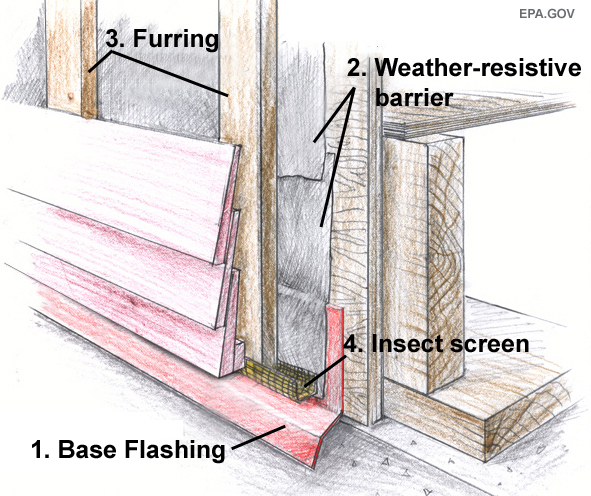
Z-bar flashing profiles typically feature horizontal legs ranging from 2-6 inches in length with vertical center sections of 1-3 inches height, depending on application requirements and drainage capacity needs. The Z-shape creates an offset drainage plane that prevents water from following material interfaces while providing positive drainage away from building envelope penetrations. Material thickness typically ranges from 0.019-0.032 inches for aluminum and 0.016-0.024 inches for galvanized steel, balancing formability with structural adequacy and durability requirements.
Material Properties and Performance Standards
Z-bar flashing materials must provide adequate corrosion resistance, thermal expansion compatibility, and mechanical properties for long-term building envelope performance under various environmental conditions. Aluminum alloys offer excellent corrosion resistance and formability with minimal thermal expansion, while galvanized steel provides structural strength and cost-effectiveness with appropriate coating protection. Stainless steel grades provide maximum durability for aggressive environments but typically require higher initial investment and specialized fabrication techniques.
Applications
Window and Door Installation
Window sill flashing applications utilize Z-bar profiles to create weatherproof transitions between window frames and wall assemblies while directing water away from interior spaces and vulnerable building materials. Proper Z-bar installation creates a secondary drainage plane that handles water infiltration through primary weather seals while preventing accumulation behind window frames. Door threshold applications require Z-bar flashing to manage water runoff while accommodating door operation and accessibility requirements that may affect profile dimensions and installation details.
Wall and Roof Transition Details
Wall-to-roof transitions utilize Z-bar flashing to manage water drainage at material changes while accommodating differential thermal movement between different building systems and materials. Parapet and rooftop equipment applications require Z-bar profiles that handle wind-driven rain and prevent water infiltration around penetrations and equipment connections. Cladding transition details use Z-bar flashing to manage water drainage between different exterior materials while maintaining architectural appearance and thermal performance requirements.
Best Practices
Design and Specification
Effective Z-bar flashing design requires understanding of water flow patterns, building movement, and material compatibility to create details that provide reliable long-term performance under various environmental conditions. Flashing dimensions should accommodate expected water volumes while providing adequate drainage capacity and structural support for anticipated loads and environmental stresses. Integration with building envelope systems including vapor barriers, thermal barriers, and air sealing requires careful coordination to maintain overall envelope performance and avoid thermal bridging or air leakage problems.
Installation and Quality Control
Professional Z-bar flashing installation requires proper substrate preparation, correct profile orientation, and secure fastening that creates weatherproof connections while accommodating thermal movement and normal building settlement. Installation sequence should integrate flashing installation with other envelope components to ensure proper overlap and drainage continuity throughout the building envelope system. Quality control procedures verify proper installation techniques, adequate overlap distances, and weatherproof connections before covering with finish materials or adjacent building components.
Industry Standards
Manufacturing and Material Standards
Sheet Metal and Air Conditioning Contractors’ National Association (SMACNA) standards establish comprehensive requirements for Z-bar flashing design, fabrication, and installation that ensure consistent quality and performance across different manufacturers and applications. ASTM International standards address material specifications, testing methods, and performance criteria for flashing materials including corrosion resistance, mechanical properties, and dimensional stability requirements. Quality standards ensure manufacturing consistency and material performance while providing guidance for appropriate application selection and installation procedures.
Building Code and Installation Requirements
Building codes establish minimum requirements for flashing installation including Z-bar flashing applications at specific building envelope details based on climate conditions and building exposure classifications. International Building Code (IBC) and International Residential Code (IRC) requirements address flashing materials, installation methods, and performance criteria that ensure adequate weather protection and building durability. Local building codes may impose additional requirements based on regional climate conditions and historical building performance data.
Key Considerations
Planning Phase
Z-bar flashing planning must consider building design, environmental exposure, material compatibility, and long-term performance expectations to select appropriate profiles and installation methods. Coordination with architectural design ensures flashing details are integrated with overall building aesthetics while maintaining functional performance and building code compliance. Budget planning should consider material costs, fabrication requirements, and installation complexity that affect total project costs and scheduling requirements.
Implementation
Installation planning should address weather conditions, construction sequencing, and quality control requirements that ensure proper Z-bar flashing installation and integration with other building envelope components. Material handling and storage procedures protect flashing materials from damage and contamination that could affect performance and appearance. Worker training ensures proper installation techniques and safety procedures while maintaining installation quality and building envelope integrity.
Environmental and Durability Factors
Climate conditions including temperature extremes, precipitation patterns, and UV exposure significantly affect Z-bar flashing material selection and installation requirements for optimal long-term performance. Thermal expansion accommodation prevents flashing damage or connection failure due to building movement and temperature cycling that occurs throughout building service life. Corrosion protection measures including appropriate material selection and galvanic compatibility prevent premature failure and maintain building envelope integrity over expected service life.
Integration with Building Systems
Z-bar flashing must integrate properly with vapor barriers, thermal insulation, and air sealing systems to maintain overall building envelope performance while providing weather protection at critical details. Electrical and mechanical system penetrations require specialized flashing details that accommodate system requirements while maintaining envelope integrity and building code compliance. Structural attachment and load transfer considerations ensure flashing systems can withstand wind loads and building movement without failure or damage to adjacent building components.
Maintenance and Accessibility
Flashing design should consider inspection access, maintenance requirements, and potential component replacement that affect long-term building envelope performance and ownership costs. Installation approaches that facilitate future maintenance and system modifications reduce long-term costs while ensuring continued weather protection throughout building service life. Documentation of flashing locations and specifications supports future maintenance planning and building envelope assessment activities.
Common Issues
Improper installation including inadequate overlap, incorrect orientation, or insufficient fastening can create water infiltration paths that defeat flashing effectiveness and cause building damage requiring expensive repairs. Material incompatibility between flashing and adjacent materials can cause galvanic corrosion or chemical reactions that compromise flashing integrity and building envelope performance. Thermal movement restraint can cause flashing buckling or connection failure that creates water infiltration opportunities and requires flashing replacement or repair.
Project Impact
Building Envelope Performance and Durability
Properly designed and installed Z-bar flashing significantly improves building envelope performance by preventing water infiltration that can cause structural damage, mold growth, and indoor air quality problems affecting occupant health and comfort. Effective flashing systems extend building service life and reduce maintenance requirements while protecting building materials and systems from moisture-related deterioration. Quality flashing installation contributes to overall building durability and helps maintain property value throughout building ownership periods.
Cost-Effectiveness and Risk Management
Z-bar flashing installation costs are typically modest compared to potential water damage costs and represent excellent investment in building protection and performance while reducing long-term maintenance and repair expenses. Preventive water management through proper flashing design prevents expensive remediation and building component replacement that far exceed initial flashing installation costs. Risk reduction benefits include preventing liability issues related to building performance problems and occupant health concerns associated with moisture infiltration and mold growth.
Industry Impact
Building Envelope Science and Practice
Z-bar flashing development has significantly advanced building envelope science by demonstrating effective approaches to water management and building physics that inform broader envelope design and construction practices. Professional education and training programs promote understanding of flashing principles and installation techniques that improve overall building envelope performance and reduce water-related building problems. Research and development continues to improve flashing design and materials while expanding application possibilities in various building types and environmental conditions.
Construction Industry Standards
Z-bar flashing requirements and installation standards have influenced building codes, construction practices, and professional training programs that ensure consistent weather protection performance across the construction industry. Manufacturing standardization enables efficient production and distribution while ensuring product quality and performance consistency among different suppliers and applications. Innovation in flashing materials and installation methods continues to improve construction efficiency and building envelope performance while reducing costs and environmental impact.
Current Debates
Material Selection and Sustainability
The construction industry continues to evaluate sustainable flashing materials including recycled content metals, bio-based coatings, and alternative materials that reduce environmental impact while maintaining performance and durability requirements. Traditional materials offer proven performance but may have higher environmental impact, while newer materials promise sustainability benefits but require validation of long-term performance characteristics. Life cycle assessment approaches help balance environmental considerations with performance and cost requirements for different applications and building types.
Integration vs. Simplification
Ongoing discussions address the balance between integrated flashing systems that provide comprehensive envelope performance and simplified approaches that reduce installation complexity and potential failure points. Complex integrated systems may provide superior performance but require skilled installation and higher initial costs, while simplified approaches offer installation advantages but may compromise performance in challenging applications. Risk assessment and building performance requirements guide appropriate flashing system selection for different building types and environmental conditions.
Related Technologies
Advanced Manufacturing and Fabrication
Computer-controlled metal forming equipment enables precise Z-bar flashing fabrication with consistent dimensions and complex profiles while maintaining cost-effectiveness for both standard and custom applications. Advanced coating systems including fluoropolymer and nano-coatings provide enhanced durability and performance while expanding color and finish options for architectural applications. Digital design and fabrication integration enables custom flashing production based on building information models with improved accuracy and reduced lead times.
Building Envelope Integration Systems
Modern building envelope systems incorporate Z-bar flashing with integrated drainage, air sealing, and thermal control features that provide comprehensive performance while simplifying installation and reducing potential failure points. Smart building technologies include moisture monitoring and automated diagnostics that can be integrated with flashing systems to provide real-time building envelope performance data. Prefabricated envelope assemblies integrate flashing with other components to improve quality control and installation efficiency while maintaining field flexibility and customization capabilities.
Research and Development
Performance Enhancement and Smart Systems
Research into smart flashing systems includes sensors and monitoring capabilities that provide real-time performance data and early warning of potential envelope problems before they cause building damage. Self-healing materials and adaptive flashing designs respond to environmental conditions and building movement to maintain optimal performance throughout building service life. Integration with building automation systems enables proactive maintenance and performance optimization for critical envelope details and building components.
Sustainable Materials and Manufacturing
Development of sustainable flashing materials includes bio-based polymers, recycled metal content, and renewable material sources that reduce environmental impact while maintaining performance and cost competitiveness. Life cycle assessment studies evaluate environmental impacts from material production through disposal to guide sustainable flashing selection and design decisions. Green manufacturing processes focus on energy efficiency, waste reduction, and environmental impact minimization throughout flashing production and distribution cycles.
FAQs
When is Z-bar flashing required in building construction?
Z-bar flashing is typically required at window sills, door thresholds, wall-to-roof transitions, and other building envelope details where water management is critical for preventing infiltration and building damage. Building codes may specify Z-bar flashing requirements for certain applications based on climate conditions and building exposure classifications. Professional design review helps identify situations where Z-bar flashing provides essential water management benefits and building envelope protection.
What materials are commonly used for Z-bar flashing?
Common Z-bar flashing materials include aluminum for corrosion resistance and formability, galvanized steel for structural strength and cost-effectiveness, and stainless steel for maximum durability in aggressive environments. Material selection depends on environmental exposure, building design requirements, cost considerations, and compatibility with adjacent materials and building systems. Coated materials including painted and vinyl-clad options provide enhanced durability and color coordination with architectural design requirements.
How do I properly install Z-bar flashing?
Proper Z-bar flashing installation requires correct profile orientation with upper leg extending under upper materials and lower leg directing water over lower materials, adequate overlap at joints, and secure fastening that accommodates thermal movement. Installation sequence should integrate flashing with other envelope components to ensure proper drainage continuity and weather protection. Professional installation ensures building code compliance and optimal performance while preventing common installation errors that could compromise building envelope integrity.
What are common problems with Z-bar flashing installations?
Common problems include improper orientation that fails to provide effective water management, inadequate overlap at joints that creates infiltration paths, and thermal movement restraint that causes buckling or connection failure. Poor integration with adjacent envelope components can compromise overall building envelope performance while incorrect fastening may cause flashing failure or damage. Material incompatibility and galvanic corrosion can cause premature flashing deterioration requiring replacement and potential building damage.
How do I maintain Z-bar flashing systems?
Z-bar flashing maintenance includes regular inspection for damage, corrosion, or displacement that could affect performance, cleaning of drainage channels to ensure proper water flow, and verification of secure connections and adequate overlap at joints. Sealant inspection and renewal may be required at flashing terminations and penetrations to maintain weather protection. Professional inspection can identify potential problems early and recommend appropriate maintenance or replacement timing to prevent water infiltration and building damage.
References
- Building Code Requirements. (2023). International Code Council – Building Envelope and Flashing Installation Requirements.
- Building Envelope Guidelines. (2023). National Institute of Building Sciences – Building Envelope Design Guidelines and Best Practices.
- Manufacturer Specifications. (2023). Single Ply Roofing Industry – Flashing System Design and Installation Guidelines.
- SMACNA Standards. (2023). Sheet Metal and Air Conditioning Contractors’ National Association – Architectural Sheet Metal Manual.