Accessible home design in the DC Metro area costs between $3,000-$50,000 depending on modifications needed, with bathroom conversions averaging $8,000-$15,000 and ramp installations ranging from $1,200-$8,000 for Maryland, Virginia, and Washington DC homeowners. The Reflex Builders Team specializes in creating barrier-free living spaces that preserve the architectural character of our region’s historic and modern properties.
What Is Accessible Home Design for DC Area Properties?
Accessible home design creates living spaces that accommodate people of all ages and abilities without compromising aesthetics or architectural integrity. In the DC Metro area, this means addressing unique challenges like historic district regulations, multi-level colonial homes, and varying terrain while maintaining the character that makes our neighborhoods desirable.
The Americans with Disabilities Act (ADA) sets federal standards, but DC, Maryland, and Virginia each have specific residential accessibility codes that impact renovation projects. Our team navigates these requirements while creating beautiful, functional spaces that work for everyone.
How Much Does Accessible Home Design Cost in the DC Area?
Common Accessibility Modifications and Pricing
Bathroom Conversions:
- Walk-in shower installation: $6,000-$12,000
- Complete accessible bathroom remodel: $15,000-$25,000
- Grab bar installation: $150-$300 per bar
- Comfort-height toilet installation: $400-$800
Entry and Exit Modifications:
- Wooden ramp construction: $1,200-$3,500
- Stone or composite ramp systems: $3,500-$8,000
- Automatic door operators: $1,500-$3,000
- Threshold modifications: $200-$600 per doorway
Kitchen Adaptations:
- Universal design kitchen remodel: $25,000-$50,000
- Pull-out drawer installations: $200-$400 per cabinet
- Counter height modifications: $1,500-$3,500
- Accessible appliance upgrades: $3,000-$8,000
These costs reflect DC Metro area pricing, which runs 15-20% higher than national averages due to local labor costs, permit fees, and material transportation expenses to urban locations.
Most Important Accessibility Features for DC Area Homes
Top 5 Essential Modifications
1. Bathroom Safety Upgrades: Required in 78% of accessibility projects Walk-in showers with zero-threshold entries prevent falls and accommodate mobility devices while adding luxury appeal that increases home values in neighborhoods like Bethesda and McLean.
2. Entry Ramp Systems: Needed for 65% of multi-level homes Properly designed ramps provide safe access while preserving curb appeal, particularly important for historic properties in Capitol Hill and Old Town Alexandria where architectural guidelines apply.
3. First-Floor Master Suite Creation: Popular in 55% of aging-in-place renovations Converting formal dining rooms or adding accessible bedroom suites eliminates daily stair navigation, common in DC area colonial and Victorian homes.
4. Kitchen Counter Height Adjustments: Standard in 45% of universal design projects Variable-height countertops and accessible storage solutions work for wheelchair users and standing family members in the compact kitchens typical of DC Metro area homes.
5. Smart Home Integration: Growing trend in 40% of accessibility projects Voice-controlled lighting, automated door locks, and smart thermostats provide independence without major construction, particularly valuable for Georgetown and Dupont Circle condominiums.
Accessible Design Challenges in DC Metro Area Neighborhoods
Georgetown Row Houses
Georgetown’s narrow, multi-level row houses present unique accessibility challenges. We frequently install interior elevators or create first-floor accessible suites while preserving historic facades. Rear entrance modifications often provide better ramp access than front-facing installations that conflict with historic streetscapes.
Arlington and Alexandria Condominiums
High-rise and mid-rise condominiums require coordination with homeowner associations and building management. We specialize in accessible bathroom modifications and smart home installations that don’t require structural changes or special approvals.
Montgomery County, Maryland Split-Level Style Homes
The region’s popular split-level designs found in Rockville (North Bethesda), Silver Spring, and Takoma Park in Maryland from the 1960s-70s create accessibility barriers with multiple half-flights of stairs. We design solutions that minimize stair navigation or create accessible living zones on single levels.
Historic District Compliance in DC
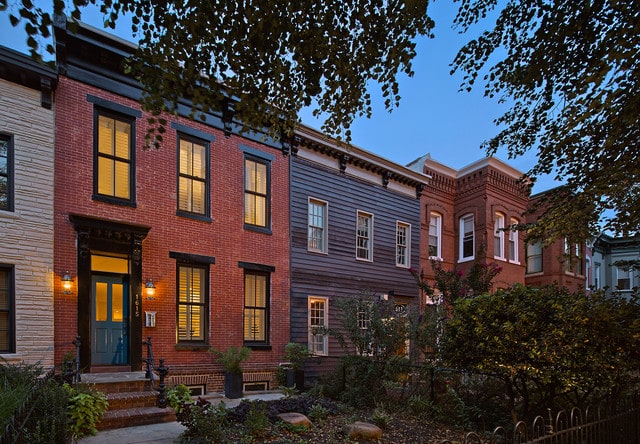
Properties in DC’s historic districts require Historic Preservation Review Board approval for exterior modifications. We work directly with preservation authorities to design ramps, door modifications, and accessibility features that meet both ADA requirements and historic guidelines.
5 Steps to Planning Your Accessible Home Renovation
Step 1: Professional Accessibility Assessment
Step 2: Prioritize Modifications by Need and Budget
Step 3: Navigate Local Permit Requirements
Step 4: Design for Universal Appeal
Step 5: Professional Installation and Inspection
Bathroom Accessibility Solutions for DC Area Homes
Walk-In Shower Conversions
Converting bathtub-shower combinations to walk-in showers addresses the most common accessibility barrier in older homes. We design zero-threshold entries with decorative drain systems that eliminate water spillage concerns common in DC area row houses with limited floor space.
Standard Features Include:
- 36-inch minimum interior dimensions
- Built-in corner seating at 17-19 inch height
- Grab bars that double as towel bars and soap dispensers
- Handheld and fixed shower heads at multiple heights
- Non-slip flooring with subtle texture patterns
Accessible Vanity and Toilet Solutions
Wall-mounted vanities provide wheelchair clearance while creating storage space underneath. Comfort-height toilets at 17-19 inches accommodate users with mobility limitations while remaining comfortable for all family members.
We frequently recommend side-approach toilet configurations in DC area bathrooms where space constraints prevent front-approach accessibility, particularly common in Capitol Hill and Dupont Circle properties.
Kitchen Universal Design for DC Metro Area Homes
Counter Height and Workspace Solutions
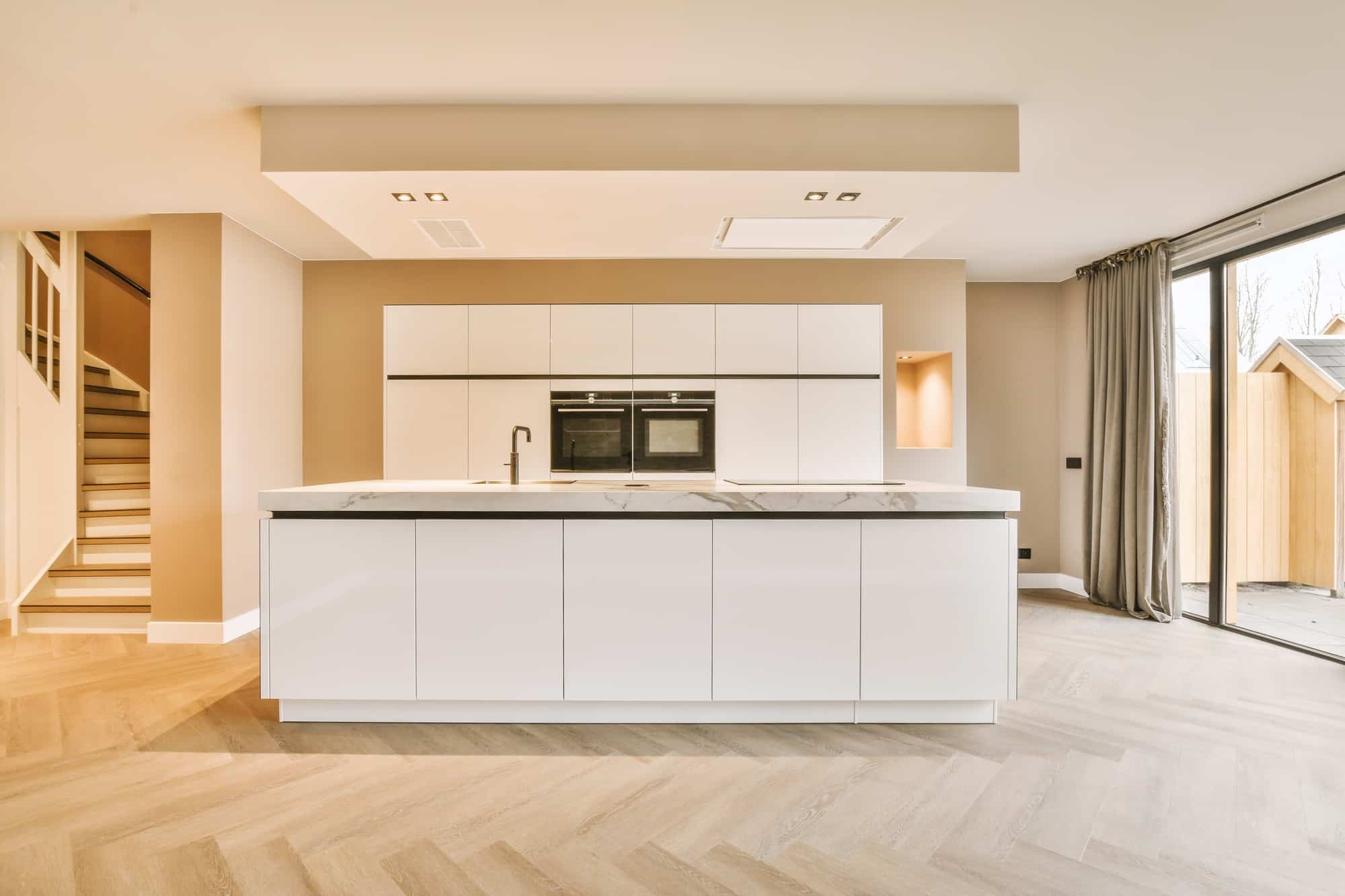
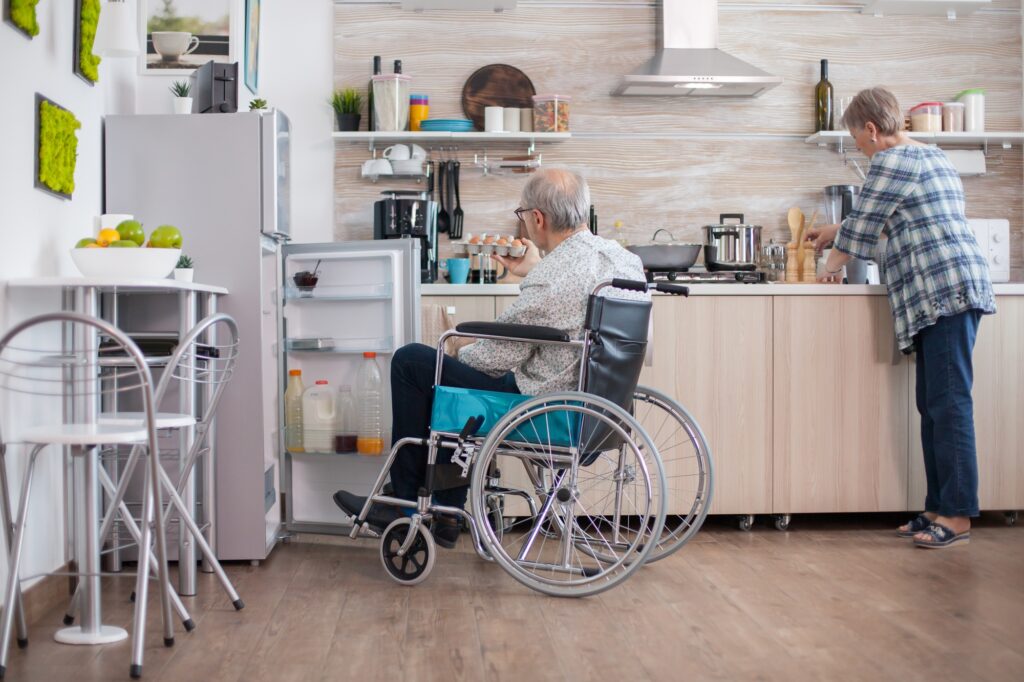
Standard 36-inch counters work for most adults, but incorporating 30-34 inch sections provides wheelchair accessibility without compromising kitchen functionality. We design multi-level islands and peninsulas that serve different users simultaneously.
Pull-out work surfaces provide temporary workspace at accessible heights, particularly valuable in galley-style kitchens common throughout DC Metro area urban properties.
Appliance Selection and Placement
Side-by-side refrigerators with bottom freezers provide easier access to fresh food compartments. We position these appliances to allow 30-inch clear approach space, often requiring electrical and plumbing modifications in older homes.
Wall-mounted ovens at accessible heights eliminate bending and reaching over hot surfaces. Installation typically requires cabinet modifications and electrical upgrades, common in DC area kitchen renovations.
Entry and Exit Accessibility Modifications
Ramp Design That Preserves Curb Appeal
Composite decking ramps blend with existing deck materials while providing slip-resistant surfaces. These installations work particularly well for Colonial and Victorian homes throughout Montgomery and Fairfax counties where wooden elements complement architectural styles.
Stone-faced ramps suit brick and stone properties common in historic Alexandria and Georgetown. We use natural stone veneer over concrete structures, creating permanent installations that enhance rather than detract from property appearance.
Door Hardware and Threshold Solutions
Lever-style door handles throughout the home eliminate tight gripping requirements while providing contemporary styling that increases property values. We recommend upgrading all interior and exterior door hardware during accessibility renovations.
Threshold modifications address settling and age-related changes common in older DC area properties. We eliminate raised thresholds or install beveled transitions that accommodate wheelchairs while maintaining weather sealing.
Smart Home Technology for Accessibility
Voice-Controlled Systems
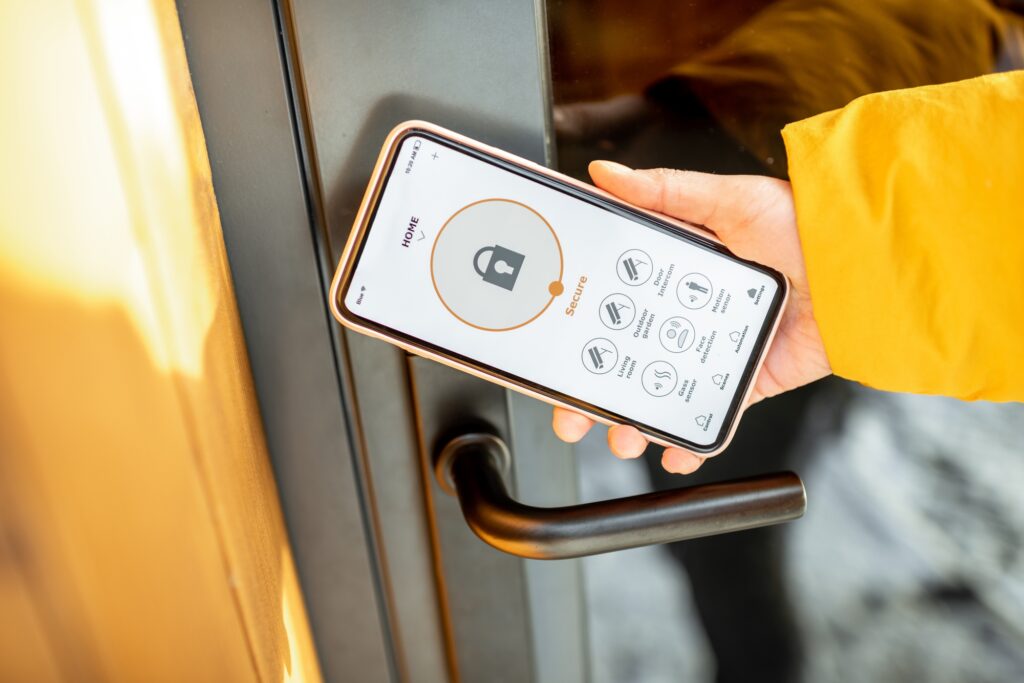
Smart lighting systems respond to voice commands and can be programmed for different scenarios. These installations particularly benefit DC Metro area residents with limited mobility who want to maintain independence in high-rise condominiums or multi-level homes.
Automated door locks provide keyless entry and can be operated remotely, valuable for residents who have difficulty handling traditional keys or want to provide access to caregivers and family members.
Integration with Existing Home Systems
We coordinate smart home installations with existing electrical and HVAC systems, ensuring compatibility and reliability. Most smart home accessibility features install without major construction, making them ideal for condominiums and rental properties.
Frequently Asked Questions
What accessibility modifications increase home value in the DC Metro area?
How long do accessibility renovations take in DC, Maryland, and Virginia?
Do I need permits for accessibility modifications in the DC Metro area?
Can I make my historic DC area home accessible?
What’s the difference between ADA compliance and universal design?
Are there grants or assistance programs for accessibility modifications?
Why Choose Reflex Builders for Accessible Design in DC Metro Area?
45 Years of Local Expertise
Our family-owned business has completed accessible home modifications throughout the DC Metro area since 1980, developing expertise in local building codes, historic district requirements, and neighborhood-specific challenges that affect accessibility projects.
Specialized Historic Property Experience
We’re one of the few DC Metro area contractors with extensive experience in diplomatic properties, embassy renovations, and historic preservation projects, providing unique expertise in balancing accessibility requirements with architectural preservation.
Licensed and Bonded Protection
Our Maryland contractor’s license and comprehensive bonding protect clients throughout the renovation process. We maintain liability insurance specific to accessibility modifications and provide written warranties on all workmanship.
Comprehensive Project Management
From initial assessment through final inspection, we coordinate all aspects of accessibility renovations including permit applications, utility coordination, and inspection scheduling. Most clients work with a single project manager throughout their renovation.
Creating accessible homes requires understanding both universal design principles and local construction requirements. The Reflex Builders Team combines decades of DC Metro area construction experience with specialized accessibility expertise, ensuring your home modifications meet current needs while preparing for future requirements.
Our accessible design solutions preserve the architectural character that makes DC Metro area properties valuable while creating safer, more functional living environments. Every modification we complete serves multiple generations and increases both property value and quality of life.
Ready to discuss accessible design options for your DC Metro area home? Contact the Reflex Builders Team for a comprehensive accessibility assessment and project consultation. We serve homeowners throughout Washington DC, Maryland, and Northern Virginia with professional accessibility solutions that enhance both function and value.