What Makes a Good Candidate for Attic Conversion?
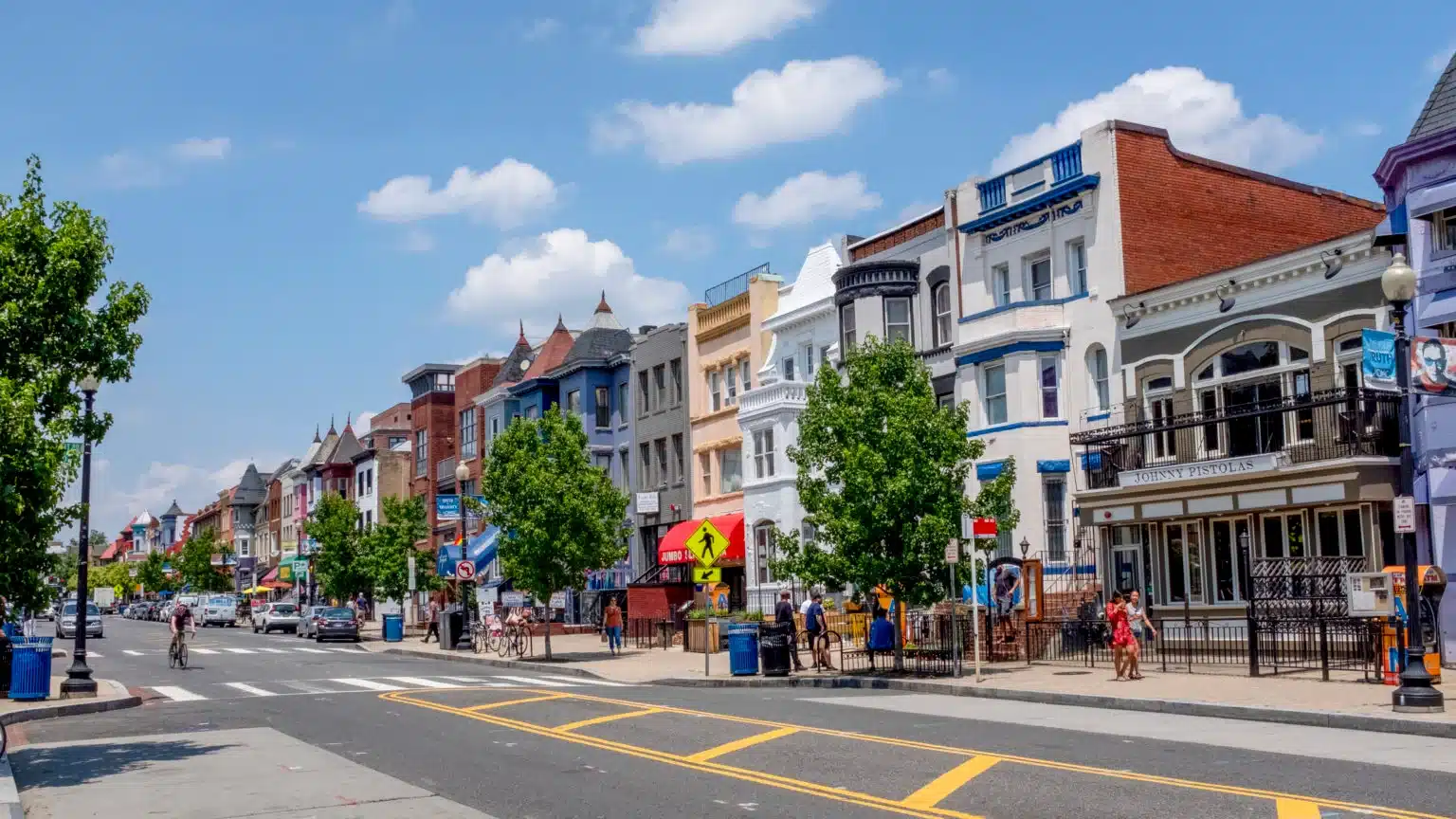
Converting your attic into a finished attic creates additional square footage without expanding your home’s footprint, making it an ideal solution for growing families in established neighborhoods like Bethesda, Arlington, and Capitol Hill where lot sizes limit traditional home additions.
Structural Requirements for Attic Remodeling
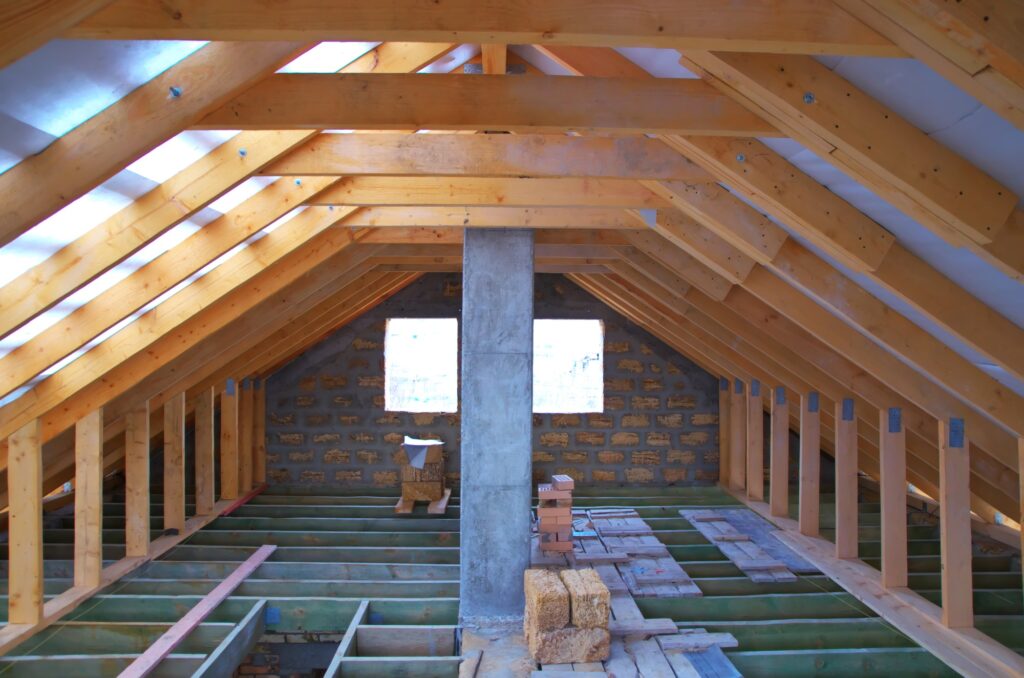
Not every attic suits conversion into livable space. Successful attic conversion requires adequate headroom, proper floor joists, and sufficient space for stairs. Most building codes in the DC area require minimum ceiling heights of 7.5 feet over at least half the floor area, with areas under sloped roofs needing at least 5 feet of headroom.
Floor Structure Assessment: Existing floor joists in many older DC Metro area homes were designed to support storage loads, not living spaces. Structural modifications often involve sistering additional joists or installing engineered lumber to meet residential loading requirements.
Roof Structure Evaluation: Traditional rafter construction provides more conversion flexibility than truss systems. Homes with roof trusses may require engineering consultation to determine if loft conversion is feasible without compromising structural integrity.
Space Planning for Attic Areas
Dormer Addition Considerations: Many DC area attic conversions benefit from dormer addition to increase usable floor space and provide natural light. Shed dormers maximize interior space while gable dormers add architectural interest and work well with colonial and Victorian home styles common throughout the region.
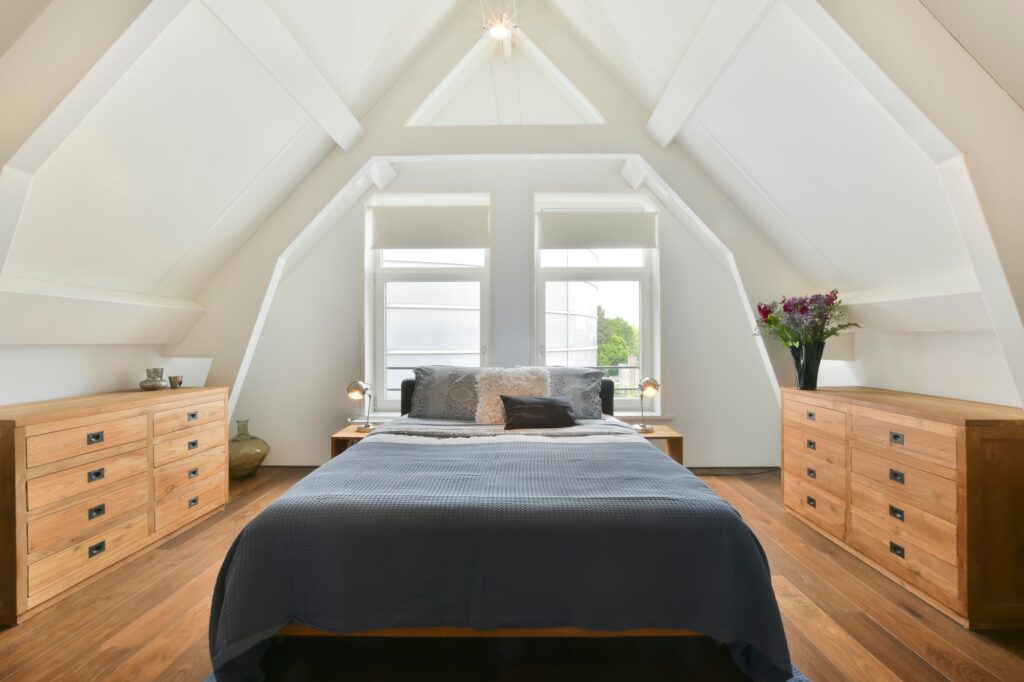
Knee Wall Storage Solutions: The sloped areas where roof meets floor create challenging spaces that we transform into knee wall storage. These areas work perfectly for built-in drawers, closets, and seasonal storage while maximizing the usable living area in your bonus room.
Building Code Compliance for DC Metro Area Attic Conversions
Egress Requirements
Emergency Exit Planning: Building codes require attic bedrooms to have proper egress windows or doors leading to safe exits. This often involves installing larger windows that meet size requirements for emergency escape, particularly important in DC area row houses where traditional escape routes may be limited.
Stairway Design Standards: Permanent stairs must meet specific width, rise, and run requirements that often differ from existing attic access. We design stairways that comply with local building code compliance while fitting within your home’s existing layout.
Electrical and HVAC Integration
Electrical System Upgrades: Attic conversion typically requires significant electrical work including new circuits, outlets, lighting, and potentially service panel upgrades. Older DC Metro area homes may need electrical modernization to support additional living space safely.
Climate Control Solutions: Extending your home’s HVAC system to conditioned attic space requires careful planning for ductwork routing and system capacity. We coordinate with HVAC professionals to ensure your finished attic maintains comfortable temperatures year-round through proper attic ventilation and insulation strategies.
Attic Insulation and Energy Efficiency
Insulation Strategies for Converted Spaces
Thermal Envelope Modification: Converting unconditioned attic space to living area moves the thermal boundary from the attic floor to the roof line. This requires comprehensive attic insulation strategy using spray foam, batt insulation, or rigid foam boards depending on your home’s construction and budget considerations.
Moisture Control Systems: Proper vapor barriers and attic ventilation prevent condensation issues that can damage your investment. We install continuous ventilation systems that maintain airflow while supporting the insulation strategy needed for comfortable living spaces.
Energy Cost Considerations
Heating and Cooling Efficiency: Properly insulated and ventilated attic conversions actually improve whole-house energy efficiency by reducing heat loss through the roof. However, adding living space increases overall heating and cooling demands, requiring system evaluation and potential upgrades.
Design Options for Attic Spaces
Bedroom Conversions
Master Suite Creation: Many DC Metro area homeowners convert attics into master suites complete with bathrooms and walk-in closets. This approach works particularly well in colonial and Victorian homes where attic spaces offer privacy and separation from main living areas.
Children’s Bedrooms: Attic bedrooms appeal to children and teenagers who appreciate having their own private space. We design these conversions with built-in storage solutions and study areas that maximize the unique architectural features of sloped ceilings.
Home Office and Study Spaces
Remote Work Solutions: The growing trend toward remote work makes attic home offices increasingly popular. These spaces offer quiet, private work environments separated from household activity while providing excellent natural light through skylights and dormer windows.
Creative Studios: Artists, crafters, and hobbyists appreciate attic studios that provide dedicated space for creative activities. We design these conversions with specialized storage, excellent lighting, and ventilation appropriate for various artistic pursuits.
Entertainment and Recreation Areas
Family Bonus Room Design: Attic entertainment areas serve as family gathering spaces for movies, games, and relaxation. We incorporate built-in seating, media storage, and climate control systems that create comfortable environments for year-round use.
Exercise and Wellness Spaces: Home gyms and yoga studios work well in attic locations where activities won’t disturb other household members. These conversions require reinforced flooring, appropriate ventilation, and sometimes specialized flooring materials.
Dormer Addition Benefits and Considerations
Types of Dormer Additions
Shed Dormers: Shed dormers provide maximum interior space increase and work well with most architectural styles. These additions create nearly full-height ceilings across significant portions of the attic while providing opportunities for multiple windows.
Gable Dormers: Gable dormers add architectural interest while providing natural light and ventilation. Multiple smaller gable dormers can create charming window seats and reading nooks while maintaining the home’s architectural character.
Planning and Permit Requirements
Historic District Considerations: Properties in DC’s historic districts require design review for dormer addition projects. We work with preservation authorities to create additions that complement existing architecture while meeting modern building code compliance requirements.
Structural Engineering: Dormer additions require structural modifications to roof framing and may need engineering analysis to ensure proper load distribution. We coordinate with structural engineers to design safe, code-compliant additions.
Stairway Design for Attic Access
Space-Efficient Stair Solutions
Straight Run Staircases: Traditional straight stairs provide the most comfortable access but require significant floor space on both levels. We design these installations to minimize impact on existing room layouts while meeting building code requirements.
L-Shaped and U-Shaped Configurations: Turn stairs work well when space constraints prevent straight runs. These designs often fit better within existing floor plans while providing code-compliant access to your loft conversion.
Storage Integration
Under-Stair Storage: The space beneath attic stairs creates valuable storage opportunities. We design built-in closets, pantries, or utility storage that maximizes the functionality of space that might otherwise be wasted.
Cost Factors in Attic Remodeling
Project Scope Variables
Basic Conversions: Simple attic finishing projects that work within existing space and don’t require structural modifications typically cost less per square foot than complex conversions requiring dormer addition or major structural modifications.
Full Conversions with Additions: Projects including dormer addition, bathroom installation, and extensive structural modifications involve higher per-square-foot costs but create more valuable finished space.
Regional Cost Considerations
DC Metro area construction costs reflect local labor rates, permit fees, and material costs that typically run above national averages. Urban locations may involve additional logistics costs for material delivery and waste removal that affect project budgets.
Permit and Inspection Fees: Jurisdictions throughout DC, Maryland, and Virginia have different fee structures for building permits and inspections. We handle all permit applications and coordinate inspections to ensure building code compliance throughout the project.
Timeline Expectations for Attic Projects
Planning and Design Phase
Initial Assessment Period: Evaluating your attic’s conversion potential typically takes several weeks including structural assessment, design development, and permit preparation. Complex projects requiring engineering analysis may need additional time.
Permit Processing: Building permit approval times vary by jurisdiction, typically ranging from several weeks to a few months depending on project complexity and local approval processes.
Construction Timeline
Standard Conversion Projects: Basic attic finishing typically takes several weeks to complete once construction begins, depending on the scope of electrical, insulation, and finishing work required.
Complex Projects with Additions: Attic conversions including dormer addition or significant structural modifications may require several months to complete, with weather potentially affecting exterior work schedules.
Frequently Asked Questions
Can any attic be converted into living space?
Not all attics suit conversion to living space. Key factors include adequate headroom, proper floor structure, and space for code-compliant stairs. We provide comprehensive assessments to determine your attic’s conversion potential and recommend appropriate solutions.
Do I need permits for attic conversion in the DC Metro area?
Yes, attic conversion to living space requires building permits in DC, Maryland, and Virginia. Permits ensure structural modifications, electrical work, and other changes meet building code compliance requirements for safety and habitability.
How do I heat and cool a converted attic?
Attic climate control typically involves extending existing HVAC systems or installing mini-split systems for efficient temperature control. Proper attic insulation and ventilation are essential for maintaining comfortable conditions year-round.
Will attic conversion increase my property value?
Professional attic conversion typically provides good return on investment by adding valuable living space. The actual value increase depends on the quality of work, local market conditions, and how well the conversion integrates with your home’s overall design.
What about storage space after conversion?
Thoughtful attic conversion design incorporates knee wall storage, built-in closets, and under-stair storage to maintain storage capacity while creating valuable living space. We design solutions that maximize both livability and storage function.
Can I add a bathroom to my converted attic?
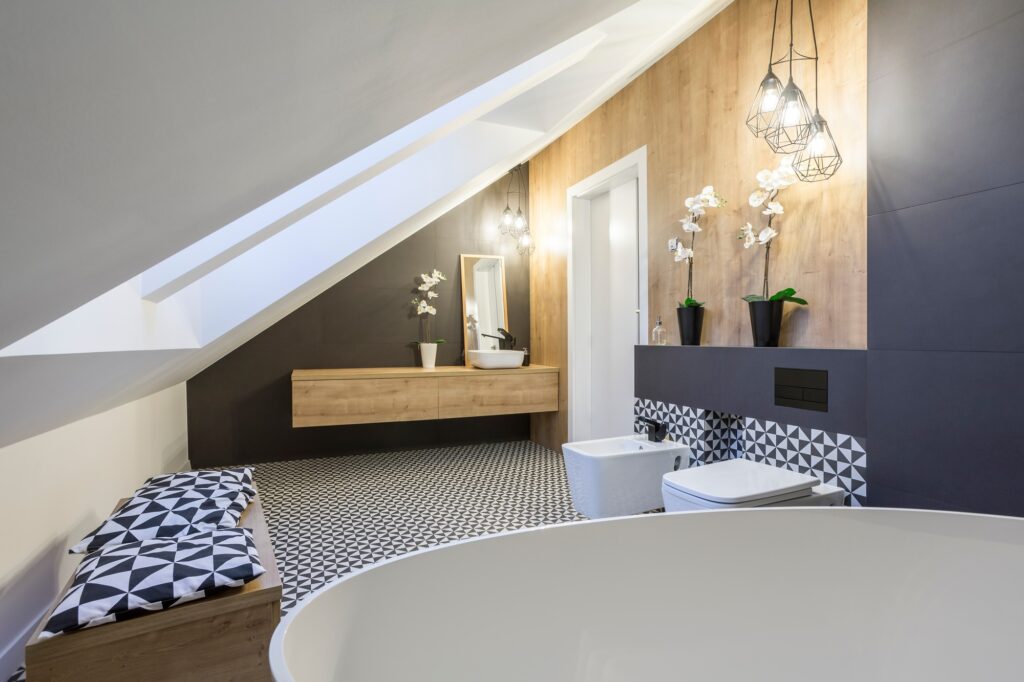
Adding bathrooms to attic conversions is possible but involves significant plumbing work including waste line installation and venting. These additions require careful planning and may involve structural modifications to accommodate plumbing systems.
Why Choose Reflex Builders for Your Attic Conversion?
Specialized Attic Conversion Experience
Our 45 years of DC Metro area construction experience includes numerous successful attic conversion projects in various architectural styles from Victorian row houses to colonial revivals. We understand the unique challenges each type of home presents.
Comprehensive Project Management
From initial assessment through final inspection, we coordinate all aspects of your attic remodeling project including structural engineering, permit applications, and trade coordination. Most clients work with a single project manager throughout their conversion.
Building Code Expertise
We maintain current knowledge of building code compliance requirements throughout DC, Maryland, and Virginia, ensuring your attic conversion meets all safety and habitability standards while maximizing your investment value.
Quality Craftsmanship Focus
Every attic conversion we complete reflects our commitment to quality workmanship and attention to detail. We use professional-grade materials and proven construction techniques that create lasting value for your family.
Transform your unused attic space into valuable living area that enhances your home’s functionality and value. Reflex Builders combines decades of local construction expertise with specialized knowledge of attic conversion requirements throughout the DC Metro area.
Our attic remodeling solutions work within your home’s existing architecture while creating beautiful, functional spaces that serve your family’s changing needs. Every conversion we complete adds meaningful living space while maintaining the character and value of your property.
Ready to explore your attic’s potential?
Contact Reflex Builders for a comprehensive attic assessment and conversion consultation. We serve homeowners throughout Washington DC, Maryland, and Northern Virginia with professional attic conversion services that transform unused space into valuable living areas.