
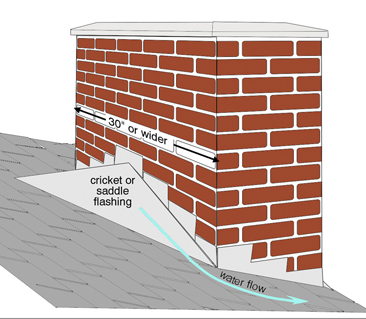
Saddle refers to a raised structural element or flashing detail designed to divert water away from building penetrations, roof intersections, or other vulnerable areas where water could potentially collect and cause infiltration problems. This essential building component takes various forms including cricket saddles behind chimneys, door threshold saddles, pipe penetration saddles, and structural saddles that support loads while maintaining weatherproofing integrity, serving both functional and protective purposes that prevent water damage and ensure long-term building performance in residential, commercial, and industrial construction applications.
Saddle
|
|
|---|---|
| Category | Water Management, Structural Support |
| Subfield | Roofing Systems, Flashing Details, Building Envelope |
| Key Characteristics | Water diversion, structural support, weatherproofing |
| Primary Applications | Roof penetrations, thresholds, load bearing, water management |
| Industry Impact | Water protection, structural integrity, building durability |
| Sources: NRCA Guidelines, SMACNA Standards, Building Code Requirements, Manufacturer Specifications | |
Other Names
Cricket, threshold, pipe saddle, roof saddle, chimney cricket, flashing saddle, structural saddle, pipe boot, penetration collar, water diverter
History
Ancient Times-1600s: Traditional Water Management
Ancient building traditions recognized the need for water diversion around roof penetrations and developed simple saddle-like structures using stone, clay, and timber materials to direct water away from vulnerable areas. Medieval construction incorporated lead and copper saddles around chimneys and roof penetrations that demonstrated sophisticated understanding of water management principles. Traditional thatched and shingled roofing systems used wooden saddles and flashing techniques that evolved through centuries of practical experience with water infiltration problems.
1700s-1800s: Metal Flashing Development
Industrial metal production enabled more sophisticated saddle construction using lead, copper, and later galvanized steel materials that provided superior durability and water resistance compared to traditional materials. Victorian architecture featured elaborate roof systems with complex penetrations that required advanced saddle and flashing techniques to maintain weatherproofing integrity. The development of soldering and metal forming techniques enabled custom saddle fabrication for complex roof geometries and architectural details.
1900s-1940s: Standardization and Code Development
Building code development established minimum requirements for saddle construction and water management details based on analysis of common failure modes and water infiltration problems. Standardized saddle designs and installation procedures reduced construction errors and improved long-term performance reliability. The development of asphalt and modified bitumen roofing systems required new saddle designs and materials compatible with membrane roofing applications.
1950s-1980s: Modern Materials and Methods
Synthetic materials including rubber, plastic, and composite products expanded saddle design options and improved compatibility with diverse roofing systems and environmental conditions. Prefabricated saddle components and standardized penetration details reduced installation time and improved quality control compared to field-fabricated solutions. Single-ply membrane roofing systems drove development of specialized saddle products designed for heat welding and chemical bonding to membrane materials.
1990s-Present: Advanced Systems and Technology
Modern saddle systems incorporate advanced materials including EPDM rubber, thermoplastic membranes, and composite materials that provide superior durability and installation efficiency. Computer-aided design enables custom saddle fabrication for complex penetrations and architectural requirements while maintaining cost-effectiveness. Green building initiatives promote sustainable saddle materials and installation practices while maintaining performance and durability requirements for long-term water protection.

Technical Specifications
Design Principles and Water Management
Effective saddle design requires understanding of water flow patterns, drainage principles, and building envelope performance to create details that reliably divert water away from vulnerable areas. Saddle geometry including height, slope, and transition details must accommodate thermal movement, structural deflection, and normal building settlement without compromising water resistance. Material selection and installation methods must ensure long-term durability under environmental stresses including UV exposure, temperature cycling, and precipitation that affect saddle performance.
Structural and Load Considerations
Structural saddles must support imposed loads including equipment weight, maintenance activities, and environmental loads while maintaining proper drainage and water resistance characteristics. Load transfer mechanisms and connection details require engineering analysis for heavy equipment or concentrated loads that exceed typical saddle capacity. Integration with building structural systems ensures adequate support and load distribution without creating stress concentrations or structural deficiencies.
Applications
Roof Penetration Management
Roof saddles provide essential water management around chimneys, vent penetrations, equipment supports, and other roof-mounted elements that interrupt normal drainage patterns and create potential water infiltration points. Cricket saddles behind large penetrations like chimneys divert water around obstacles and prevent accumulation that could cause ice dams or membrane damage. Pipe penetration saddles accommodate thermal movement and building settlement while maintaining watertight seals around mechanical and electrical penetrations.
Threshold and Transition Applications
Door and window threshold saddles provide water shedding and structural support at building openings while accommodating differential movement between different materials and building systems. Expansion joint saddles accommodate building movement while maintaining weather protection across structural separations. Roof-to-wall transition saddles manage water drainage and prevent infiltration at critical building envelope intersections that are particularly vulnerable to water problems.
Best Practices
Design and Engineering
Proper saddle design requires careful analysis of water flow patterns, structural loads, and environmental conditions to develop details that provide reliable long-term performance. Integration with overall building envelope design ensures saddle details are compatible with adjacent materials and systems while maintaining weatherproofing continuity. Quality control during design review identifies potential conflicts and ensures saddle details meet applicable codes and performance standards.
Installation and Quality Control
Saddle installation requires careful attention to substrate preparation, material compatibility, and connection details to ensure proper performance and durability. Installation sequence should coordinate with other roofing and building envelope activities to maintain weather protection during construction. Quality control procedures verify proper installation techniques, material compliance, and weatherproofing integrity before covering or concealing saddle installations.
Industry Standards
Roofing and Waterproofing Standards
National Roofing Contractors Association (NRCA) guidelines establish best practices for saddle design and installation in various roofing systems including steep-slope, low-slope, and specialty applications. Sheet Metal and Air Conditioning Contractors’ National Association (SMACNA) standards provide technical guidance for metal saddle fabrication and installation procedures. Roofing membrane manufacturers provide specific requirements for saddle compatibility and installation with their roofing systems.
Building Code and Performance Requirements
Building codes establish minimum requirements for water management including saddle installation around penetrations and vulnerable areas based on climate conditions and building exposure. Energy codes may impose additional requirements for thermal bridging and air sealing around structural saddles and penetrations. Testing standards including water penetration testing and wind uplift resistance verify saddle performance under simulated service conditions.
Key Considerations
Planning Phase
Saddle planning must consider building design, environmental exposure, maintenance requirements, and long-term performance expectations to select appropriate saddle types and materials. Coordination with architectural and engineering design ensures saddle requirements are identified early and integrated with overall building systems and details. Budget considerations include initial installation costs and long-term maintenance requirements that affect total cost of ownership.
Implementation
Installation planning should address weather conditions, construction sequencing, and quality control requirements to ensure proper saddle installation and performance. Material compatibility verification prevents chemical reactions or physical incompatibilities that could compromise saddle performance or adjacent building materials. Worker training ensures proper installation techniques and safety procedures for saddle installation activities.
Material Selection
Saddle material selection must consider environmental exposure, structural requirements, compatibility with adjacent materials, and expected service life to ensure optimal performance and value. Climate conditions including UV exposure, temperature extremes, and precipitation patterns significantly affect material selection and design requirements. Chemical compatibility with roofing membranes, sealants, and adjacent materials prevents degradation and maintains long-term performance.
Water Management Design
Effective water management requires understanding of drainage patterns, precipitation intensity, and building geometry to design saddles that reliably shed water under all expected conditions. Saddle sizing and geometry must accommodate worst-case water flow conditions while providing adequate freeboard for unusual weather events. Integration with building drainage systems ensures water diverted by saddles is properly collected and removed from building areas.
Structural Integration
Structural saddles require proper connection to building framing systems and adequate load distribution to prevent stress concentrations or structural damage. Thermal movement accommodation prevents saddle damage or connection failure due to building expansion and contraction cycles. Load path analysis ensures imposed loads are properly transferred to building structural systems without exceeding capacity limitations.
Common Issues
Inadequate drainage design can result in water ponding around saddles that defeats their purpose and creates potential infiltration problems requiring redesign or reconstruction. Poor installation practices including inadequate sealing or improper material compatibility can lead to premature failure and water damage. Lack of maintenance access or provisions can result in saddle deterioration that goes undetected until major water infiltration problems develop.
Project Impact
Water Protection and Building Durability
Properly designed and installed saddles provide essential protection against water infiltration that can cause extensive damage to building structures, contents, and mechanical systems. Effective water management through saddle systems prevents costly repairs and extends building service life while maintaining occupant comfort and safety. Quality saddle installation reduces maintenance requirements and prevents disruption from water-related problems throughout building operation.
Cost and Performance Benefits
Saddle installation costs are typically modest compared to potential water damage costs and represent excellent investment in building protection and performance. Preventive water management through proper saddle design prevents expensive remediation and building component replacement that far exceed initial saddle installation costs. Long-term performance benefits include reduced maintenance costs and improved building reliability that enhance property value and marketability.
Industry Impact
Building Envelope Performance
Saddle technology and installation practices have significantly improved building envelope performance by providing reliable solutions for managing water around vulnerable penetrations and intersections. Standardized saddle designs and installation procedures have reduced construction errors and improved overall building water resistance and durability. Research and development in saddle materials and design continues to enhance building envelope performance and reduce water-related building problems.
Construction Industry Standards
Saddle requirements and installation standards have influenced building codes, construction practices, and professional training programs that ensure consistent water management performance across the construction industry. Professional education and certification programs promote understanding of proper saddle selection and installation techniques among contractors and building professionals. Innovation in saddle products and installation methods continues to improve construction efficiency and building performance.
Current Debates
Prefabricated vs. Field-Fabricated Saddles
The construction industry continues to evaluate the advantages and disadvantages of prefabricated saddle products versus field-fabricated custom solutions for different applications and project requirements. Prefabricated products offer consistency and quality control advantages but may not accommodate all design requirements or site conditions. Field fabrication provides design flexibility but requires skilled labor and may result in inconsistent quality depending on installer capabilities and site conditions.
Traditional vs. Advanced Materials
Ongoing discussions address the appropriate balance between traditional saddle materials including metal and modified bitumen versus advanced synthetic materials including EPDM and thermoplastic products. Traditional materials offer proven long-term performance but may require more maintenance and skilled installation, while advanced materials promise improved performance and installation efficiency but may have limited long-term performance data. Cost considerations and material availability also influence material selection decisions.
Related Technologies
Advanced Roofing Systems
Modern roofing systems including single-ply membranes, liquid-applied coatings, and hybrid systems require specialized saddle products and installation techniques that are compatible with system materials and installation methods. Prefabricated saddle assemblies integrate with roofing system components to provide complete penetration sealing solutions with improved installation efficiency and performance reliability. Heat welding and chemical bonding technologies enable permanent integration of saddles with membrane roofing systems.
Building Information Modeling (BIM)
BIM technology enables precise saddle design and coordination including integration with building systems, clash detection, and installation sequencing that improves construction quality and efficiency. Three-dimensional modeling helps visualize saddle installations and identify potential conflicts with other building components before construction begins. Digital fabrication capabilities enable custom saddle production based on BIM models for complex or non-standard applications.
Research and Development
Smart Saddle Systems
Development of smart saddle systems includes sensors and monitoring capabilities that provide real-time performance data and early warning of potential water infiltration or structural problems. Self-healing materials and adaptive saddle designs respond to environmental conditions and building movement to maintain optimal performance throughout building service life. Integration with building automation systems enables proactive maintenance and performance optimization for critical saddle installations.
Sustainable Materials and Methods
Research into sustainable saddle materials includes bio-based polymers, recycled content products, and renewable material sources that reduce environmental impact while maintaining performance requirements. Life cycle assessment studies evaluate environmental impacts from material production through disposal to guide sustainable saddle selection and design decisions. Green building integration promotes saddle designs that contribute to overall building sustainability goals while maintaining water protection performance.
FAQs
When are saddles required in roof construction?
Saddles are typically required behind large roof penetrations like chimneys where water could accumulate, around equipment supports that interrupt drainage patterns, and at roof intersections where water flow could cause infiltration problems. Building codes may specify minimum saddle requirements for certain penetration sizes and roof slopes, while roofing system manufacturers often require saddles for warranty compliance. Professional design review helps identify situations where saddles provide essential water management benefits.
What materials are commonly used for saddle construction?
Saddle materials include metal products like copper, galvanized steel, and aluminum for durability and formability, synthetic materials like EPDM rubber and thermoplastic membranes for membrane compatibility, and composite materials that combine multiple material benefits. Material selection depends on environmental exposure, compatibility with adjacent materials, structural requirements, and expected service life. Climate conditions and building design significantly influence appropriate material choices for specific applications.
How do I determine the correct saddle size and design?
Saddle sizing depends on penetration dimensions, roof slope, precipitation intensity, and drainage patterns that affect water flow around the penetration or intersection. Professional design analysis considers worst-case water flow conditions and provides adequate capacity for unusual weather events while maintaining proper drainage. Building codes and manufacturer guidelines provide minimum requirements, while custom engineering may be needed for complex or critical applications.
What installation requirements apply to saddle construction?
Saddle installation requires proper substrate preparation, compatible materials and sealants, and integration with adjacent roofing and flashing systems to ensure weatherproofing continuity. Installation sequence should maintain weather protection during construction and allow proper curing or bonding of materials before exposure to service conditions. Quality control procedures verify proper installation techniques and weatherproofing integrity before concealing or covering saddle installations.
How do I maintain saddles and ensure long-term performance?
Saddle maintenance includes regular inspection for damage, deterioration, or drainage problems that could compromise water management effectiveness. Cleaning procedures remove debris and ensure proper drainage function, while sealant inspection and renewal maintain weatherproofing integrity. Professional inspection and maintenance programs help identify potential problems early and prevent minor issues from becoming major water infiltration problems requiring expensive repairs.
References
- Building Code Requirements. (2023). International Code Council – Water Management and Penetration Sealing Requirements.
- Manufacturer Specifications. (2023). Roofing Contractor Magazine – Saddle Product Specifications and Installation Guidelines.
- NRCA Guidelines. (2023). National Roofing Contractors Association – Roofing Manual and Best Practices for Water Management.
- SMACNA Standards. (2023). Sheet Metal and Air Conditioning Contractors’ National Association – Architectural Sheet Metal Manual.