
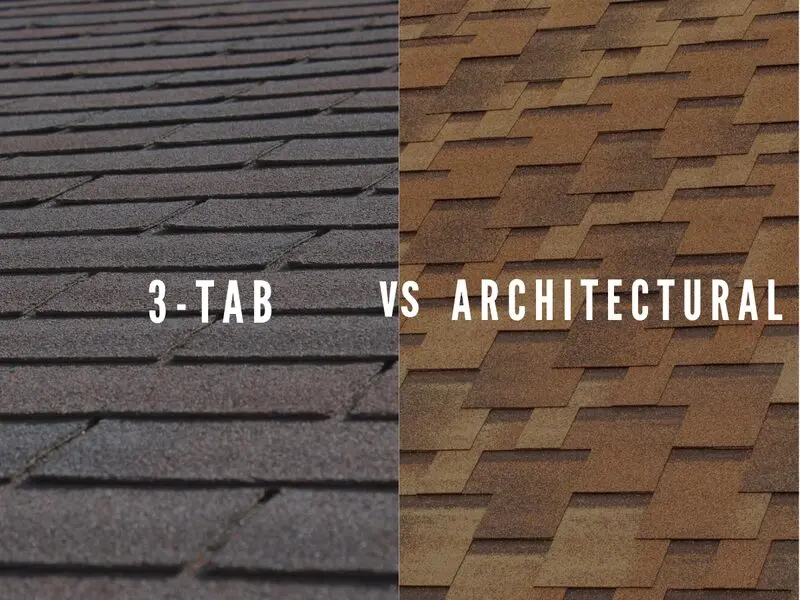
Tab Shingle refers to a type of asphalt roofing shingle featuring distinct cutout sections or tabs that create a shadow pattern and visual texture on the roof surface while providing weather protection through overlapping installation patterns. These traditional three-tab shingles consist of a fiberglass or organic mat base saturated with asphalt and coated with ceramic granules, with each shingle typically measuring 36 inches long by 12 inches wide and featuring two cutouts that create three tabs of equal size, making them one of the most economical and widely used roofing materials for residential construction applications.
Tab Shingle
|
|
|---|---|
| Category | Roofing Materials, Asphalt Shingles |
| Subfield | Residential Roofing, Weather Protection, Building Envelope |
| Key Characteristics | Cutout tabs, asphalt composition, overlapping installation |
| Primary Applications | Residential roofing, weather protection, architectural styling |
| Industry Impact | Cost-effective roofing, construction efficiency, aesthetic value |
| Sources: ASTM Standards, NRCA Guidelines, Manufacturer Specifications, Building Code Requirements | |
Other Names
Three-tab shingle, cutout shingle, strip shingle, standard shingle, traditional shingle, asphalt tab shingle, composition shingle
History
1900s-1920s: Asphalt Shingle Development
Asphalt shingles emerged in the early 1900s as an alternative to traditional roofing materials including wood shingles, slate, and clay tiles, offering improved fire resistance and lower cost for residential construction. Early asphalt shingles used organic felt paper saturated with asphalt and coated with slate granules for weather protection and color. The tab design developed as manufacturers discovered that cutouts improved wind resistance by allowing air to flow through rather than creating lifting forces on solid shingle surfaces.
1930s-1950s: Mass Production and Standardization
Post-World War II housing boom drove mass production of tab shingles with standardized dimensions, installation methods, and performance characteristics that made them the dominant residential roofing material. Improved asphalt formulations and granule coatings enhanced durability and color retention while maintaining cost advantages over traditional roofing materials. Manufacturing automation reduced costs and improved quality consistency, making tab shingles accessible to mainstream residential construction markets.
1960s-1980s: Fiberglass Base Development
Introduction of fiberglass mat bases in the 1960s replaced organic felt in many shingle products, providing improved dimensional stability, fire resistance, and durability while reducing weight and material costs. Fiberglass-based tab shingles offered enhanced tear resistance and longer service life compared to organic-based products while maintaining the traditional three-tab appearance and installation methods. Improved adhesive systems and sealant strips enhanced wind resistance and installation reliability.
1990s-2000s: Competition from Architectural Shingles
Development of architectural (dimensional) shingles began challenging tab shingle market dominance by offering enhanced aesthetics, improved performance, and perceived value advantages despite higher initial costs. Tab shingle manufacturers responded with improved products including enhanced granule systems, better sealant performance, and extended warranty programs to maintain market competitiveness. Cost advantages and familiarity kept tab shingles popular in entry-level and value-oriented residential construction segments.
2010s-Present: Niche Market and Value Applications
While architectural shingles have captured much of the premium residential market, tab shingles remain important for budget-conscious projects, replacement applications, and markets where traditional appearance is preferred. Modern tab shingles incorporate advanced manufacturing techniques including improved granule adhesion, enhanced sealant systems, and algae-resistant treatments that improve performance while maintaining cost advantages. Sustainability initiatives promote recycling programs and renewable content in tab shingle manufacturing.
Technical Specifications
Construction and Material Composition
Tab shingles consist of a base mat (fiberglass or organic felt) saturated and coated with asphalt, surfaced with ceramic granules for weather protection and color, and backed with sand or talc to prevent sticking during packaging and handling. Standard three-tab shingles measure 36 inches long by 12 inches wide with 5-inch exposure, creating three 12-inch tabs separated by cutouts that extend approximately 5 inches from the bottom edge. Self-sealing adhesive strips activate under solar heat to bond overlapping shingles and provide wind resistance up to specified limits.
Performance Standards and Testing
Tab shingle performance is governed by ASTM D3462 and related standards that establish requirements for physical properties including tear strength, nail pull-through resistance, granule adhesion, and thermal cycling performance. Wind resistance testing determines uplift resistance ratings typically ranging from 60-110 mph depending on shingle design and installation methods. Fire resistance classifications including Class A, B, or C ratings are established through standardized testing for flame spread and penetration resistance.
Applications
Residential Roofing Systems
Tab shingles provide cost-effective weather protection for residential roofing applications including new construction, re-roofing projects, and repair work where budget constraints favor economical materials over premium alternatives. Installation on roof slopes of 4:12 or greater ensures proper water shedding and prevents wind-driven rain infiltration through shingle overlaps. Integration with flashing systems, ventilation components, and accessories ensures complete roof system performance and building code compliance.
Commercial and Institutional Applications
Limited commercial applications include small buildings, accessory structures, and renovation projects where tab shingles provide adequate performance at minimal cost. Institutional applications may include residential-style buildings, maintenance facilities, and temporary structures where appearance and cost considerations favor tab shingle installation. Municipal and government projects sometimes specify tab shingles for budget compliance while meeting minimum performance and durability requirements.
Best Practices
Installation Techniques and Quality Control
Proper tab shingle installation requires adequate roof slope, appropriate underlayment, proper fastening with corrosion-resistant nails, and correct overlap patterns that ensure weather resistance and wind uplift protection. Installation should follow manufacturer guidelines and building code requirements for fastener type, placement, and quantity to achieve specified wind resistance ratings. Quality control includes verification of proper alignment, adequate overlap, and sealed joints before project completion.
Substrate Preparation and Integration
Roof deck preparation includes proper sheathing installation, moisture barrier application, and flashing integration that provides complete weather protection when combined with shingle installation. Underlayment selection and installation affect shingle performance and may be required by building codes or manufacturer warranties for specific climate conditions. Ventilation system integration ensures proper attic airflow that prevents ice dam formation and extends shingle service life.
Industry Standards
Manufacturing and Performance Standards
ASTM D3462 establishes comprehensive requirements for asphalt shingle manufacturing including material specifications, dimensional tolerances, and performance testing that ensure consistent product quality and reliability. Underwriters Laboratories (UL) standards address fire resistance testing and classification systems that determine appropriate applications for different shingle products. International Building Code (IBC) and International Residential Code (IRC) establish minimum installation requirements and performance standards for residential roofing applications.
Quality Assurance and Certification
Manufacturer quality control systems include continuous testing of raw materials, production monitoring, and finished product verification to ensure compliance with applicable standards and specifications. Third-party certification programs provide independent verification of product performance and manufacturing quality for warranty and building code compliance purposes. Professional installation certification and training programs ensure proper application techniques and performance results.
Key Considerations
Planning Phase
Shingle selection should consider climate conditions, architectural style, budget constraints, and long-term performance expectations to ensure appropriate material choice for specific applications. Color selection affects thermal performance and aesthetic compatibility with building design while complying with any applicable building restrictions or homeowner association requirements. Warranty evaluation includes understanding coverage terms, maintenance requirements, and exclusions that affect long-term value and protection.
Implementation
Installation timing should consider weather conditions, temperature requirements for sealant activation, and construction scheduling to ensure optimal installation conditions and performance results. Quality control during installation verifies proper techniques, adequate fastening, and compliance with manufacturer specifications before project completion. Safety procedures protect workers from falls and other roofing-related hazards while maintaining installation quality and efficiency.
Climate and Environmental Factors
Regional climate conditions including temperature extremes, precipitation patterns, and wind exposure significantly affect tab shingle performance and service life expectations. Algae and moss growth in humid climates may require algae-resistant shingle products or regular maintenance to maintain appearance and performance. UV exposure and thermal cycling affect granule retention and shingle flexibility, particularly in southern climates with intense sun exposure.
Cost and Value Considerations
Initial material costs represent only part of total roofing system costs, with installation labor, accessories, and long-term maintenance affecting overall value and cost-effectiveness. Service life expectations typically range from 15-25 years depending on climate conditions, installation quality, and maintenance practices that affect replacement timing and life cycle costs. Energy efficiency considerations may favor lighter colors that reduce cooling loads and energy costs in hot climates.
Maintenance and Longevity
Regular inspection and maintenance including gutter cleaning, debris removal, and damaged shingle replacement help extend service life and prevent minor problems from becoming major repairs. Granule loss, cracking, and curl are normal aging characteristics that may indicate need for replacement depending on severity and coverage area. Professional inspection can identify potential problems and recommend appropriate maintenance or replacement timing.
Common Issues
Wind damage including lifted or torn tabs typically results from inadequate fastening, worn sealant, or exposure to winds exceeding design limits, requiring prompt repair to prevent water infiltration. Granule loss accelerates aging and reduces weather protection, particularly on south-facing slopes with high UV exposure that may require earlier replacement. Poor installation practices including improper alignment or inadequate fastening can lead to premature failure and warranty voidance.
Project Impact
Cost-Effectiveness and Accessibility
Tab shingles provide essential weather protection at minimum cost, making quality roofing accessible to budget-conscious homeowners and enabling adequate housing in cost-sensitive markets. Installation simplicity and widespread contractor familiarity reduce labor costs and improve availability compared to specialty roofing materials requiring specialized skills or equipment. Material standardization and mass production ensure consistent availability and competitive pricing nationwide.
Performance and Reliability
Properly installed tab shingles provide reliable weather protection and reasonable service life that meets minimum building code requirements and homeowner expectations for basic residential construction. Proven track record and widespread use demonstrate acceptable performance for typical residential applications when properly installed and maintained. Cost advantages enable frequent replacement cycles that can maintain building protection within reasonable budget constraints.
Industry Impact
Residential Construction Market
Tab shingles have enabled affordable homeownership by providing cost-effective roofing solutions that meet building code requirements while minimizing construction costs and maintaining reasonable performance expectations. Market standardization and competition have driven continuous improvements in manufacturing efficiency, product quality, and installation techniques that benefit the entire roofing industry. Professional training and certification programs ensure consistent installation quality and performance across diverse geographic markets.
Manufacturing and Innovation
Tab shingle manufacturing has driven innovations in asphalt technology, granule systems, and automated production that benefit multiple roofing product categories and related industries. Environmental initiatives including recycling programs, renewable content, and energy-efficient manufacturing processes address sustainability concerns while maintaining cost competitiveness. Research and development continues to improve tab shingle performance while maintaining cost advantages that preserve market accessibility.
Current Debates
Value vs. Performance Trade-offs
The roofing industry continues to debate appropriate performance expectations for entry-level roofing products versus premium alternatives, considering factors including service life, aesthetics, and total cost of ownership. Some argue that architectural shingles provide better long-term value despite higher initial costs, while others maintain that tab shingles offer adequate performance for budget-conscious applications. Market segmentation allows both products to coexist while serving different customer needs and price points.
Sustainability and Environmental Impact
Environmental concerns about asphalt shingle disposal and petroleum-based materials drive discussions about sustainable alternatives and recycling programs for tab shingles and other asphalt roofing products. Industry initiatives focus on improving recyclability, reducing environmental impact, and developing bio-based alternatives while maintaining performance and cost characteristics. Life cycle assessment studies provide data for evaluating environmental impacts and guiding sustainable product development.
Related Technologies
Advanced Manufacturing Systems
Modern tab shingle manufacturing incorporates computer-controlled processes, quality monitoring systems, and automated handling that improve product consistency and reduce manufacturing costs. Advanced granule application techniques and adhesive systems enhance performance while maintaining traditional appearance and installation characteristics. Digital color matching and custom production capabilities enable architectural coordination and specialty applications while preserving mass production efficiencies.
Installation and Quality Tools
Pneumatic nail guns and specialized roofing tools improve installation speed and consistency while reducing labor costs and worker fatigue during tab shingle installation. Measuring and alignment tools ensure proper overlap and fastening patterns that optimize wind resistance and weather protection performance. Digital photography and documentation systems help verify installation quality and support warranty claims and quality control procedures.
Research and Development
Performance Enhancement Research
Ongoing research focuses on improving tab shingle durability, wind resistance, and aging characteristics through advanced asphalt formulations, enhanced granule systems, and improved manufacturing processes. Studies of long-term performance in various climate conditions provide data for improving material specifications and installation guidelines. Research into self-healing materials and smart shingle technologies explores future possibilities for enhanced performance and functionality.
Sustainable Materials Development
Development of bio-based asphalt alternatives and recycled content materials addresses environmental concerns while maintaining performance and cost characteristics essential for market viability. Research into renewable granule materials and sustainable manufacturing processes explores opportunities for reducing environmental impact throughout product life cycles. Life cycle assessment studies guide material selection and process improvements for enhanced sustainability without compromising performance or affordability.
FAQs
How long do tab shingles typically last?
Tab shingles typically provide 15-25 years of service life depending on climate conditions, installation quality, and maintenance practices, with warranties often covering 20-30 years for material defects. Service life varies significantly with geographic location, with northern climates generally providing longer life due to reduced UV exposure and thermal cycling. Proper installation and regular maintenance can extend service life, while severe weather conditions or poor installation may reduce expected longevity.
What are the main differences between tab shingles and architectural shingles?
Tab shingles feature uniform cutout patterns creating flat appearance and lower cost, while architectural shingles have varied thickness and random patterns creating dimensional appearance with higher cost and perceived value. Tab shingles typically weigh less and are easier to install, while architectural shingles offer better wind resistance and longer warranties. Both provide adequate weather protection, with choice often depending on budget, aesthetic preferences, and performance requirements.
What roof slopes are appropriate for tab shingle installation?
Tab shingles require minimum roof slopes of 4:12 (4 inches of rise per 12 inches of run) for proper water shedding and building code compliance in most jurisdictions. Steeper slopes provide better weather protection and longer service life, while lower slopes may require special installation techniques or alternative roofing materials. Local building codes may impose additional slope requirements based on climate conditions and wind exposure categories.
How do I choose the right color and style for my application?
Color selection should consider architectural style, climate conditions, energy efficiency goals, and neighborhood compatibility while complying with any applicable building restrictions or homeowner association requirements. Lighter colors reflect more heat and reduce cooling costs in hot climates, while darker colors may be preferred in cooler regions or for aesthetic reasons. Sample viewing under various lighting conditions helps ensure color satisfaction and compatibility with building design.
What maintenance is required for tab shingles?
Tab shingle maintenance includes regular inspection for damage or wear, gutter cleaning to prevent water backup, debris removal to prevent moisture retention, and prompt repair of damaged or missing shingles. Annual inspection should identify granule loss, cracking, or curl that may indicate aging or need for replacement. Professional inspection every few years can identify potential problems and recommend appropriate maintenance or replacement timing to prevent water damage.
References
- ASTM Standards. (2023). ASTM International – Standard Specifications for Asphalt Shingles Made from Glass Felt and Surfaced with Mineral Granules.
- Building Code Requirements. (2023). International Code Council – Roofing Installation and Performance Requirements.
- Manufacturer Specifications. (2023). Asphalt Roofing Manufacturers Association – Shingle Installation and Performance Guidelines.
- NRCA Guidelines. (2023). National Roofing Contractors Association – Roofing Manual for Steep-Slope Roofing Systems.