
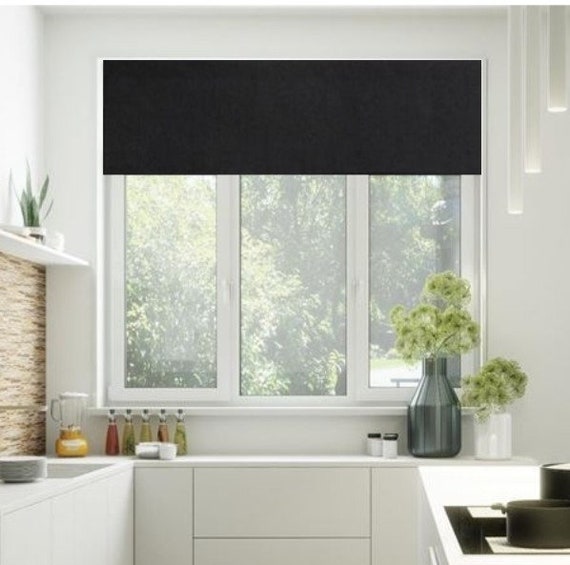
Valance refers to a horizontal decorative treatment positioned across the top of windows that conceals curtain hardware, adds architectural interest, and provides visual weight to window treatments while serving functional purposes including light control enhancement and privacy improvement. This versatile design element encompasses both soft fabric treatments and hard architectural elements including wooden cornices, upholstered boxes, and metal details that can be custom-designed or prefabricated to complement interior design themes while solving practical window treatment challenges in residential, commercial, and institutional applications.
Valance
|
|
|---|---|
| Category | Window Treatments, Interior Design |
| Subfield | Architectural Millwork, Fabric Treatments, Decorative Elements |
| Key Characteristics | Horizontal placement, decorative function, hardware concealment |
| Primary Applications | Window finishing, light control, architectural detailing |
| Industry Impact | Interior aesthetics, functional enhancement, design flexibility |
| Sources: Interior Design Standards, Window Treatment Guidelines, Millwork Specifications, Fabric Industry Standards | |
Other Names
Window valance, cornice, pelmet, window topper, soft cornice, fabric valance, hard valance, architectural valance, decorative header
History
Renaissance-1600s: Architectural Origins
Valances originated in Renaissance Europe as architectural elements designed to conceal curtain rods and add grandeur to window treatments in palaces, churches, and wealthy residences. Early valances were primarily hard architectural elements carved from wood or stone and integrated with elaborate window surrounds and interior architectural details. These early treatments demonstrated the principle of using horizontal elements to add visual weight and importance to windows while solving practical problems of hardware concealment and light control enhancement.
1700s-1800s: Fabric and Decorative Development
The development of textile industries and elaborate interior design traditions during the Georgian and Victorian eras expanded valance design to include rich fabric treatments, elaborate trims, and decorative elements that reflected wealth and social status. Fabric valances became increasingly sophisticated with complex pleating, swags, cascades, and coordinated trim details that required skilled seamstresses and upholsterers to execute properly. The Industrial Revolution enabled mass production of decorative hardware and trim materials that made elaborate valance treatments accessible to middle-class homeowners.
1900s-1940s: Modernization and Simplification
Early 20th-century design movements including Arts and Crafts and Art Deco influenced valance design toward simpler, more geometric forms that emphasized craftsmanship and material quality over elaborate ornamentation. The development of new materials including synthetic fabrics and manufactured trim components enabled more affordable valance options while maintaining design quality and durability. Depression-era economics encouraged practical valance designs that maximized functionality while minimizing material costs and installation complexity.
1950s-1980s: Mass Production and Style Diversity
Post-World War II prosperity and suburban development created demand for affordable, stylish window treatments that led to mass production of valance components and simplified installation systems. The development of synthetic fabrics, improved manufacturing techniques, and retail distribution systems made designer-style valances accessible to mainstream consumers. Style diversity expanded to include contemporary, traditional, and eclectic designs that accommodated different architectural styles and personal preferences while maintaining functional effectiveness.
1990s-Present: Customization and Integration
Modern valance design emphasizes customization, integration with automated window treatment systems, and coordination with overall interior design concepts that create cohesive room environments. Advanced manufacturing techniques enable custom valance production with precise dimensions and complex details while maintaining cost-effectiveness for residential and commercial applications. Digital design tools and virtual reality help clients visualize valance options and coordinate selections with furniture, finishes, and architectural elements for optimal aesthetic results.
Technical Specifications
Construction Methods and Materials
Hard valances typically utilize wood substrates including plywood, MDF, or solid lumber with decorative veneers, paint finishes, or fabric upholstery that provide durability and design flexibility for various architectural applications. Soft valances employ decorator fabrics including cotton, linen, silk, and synthetic materials with appropriate interfacing, lining, and construction techniques that ensure proper draping and longevity. Mounting systems include concealed brackets, traditional cornices boards, and integrated track systems that provide secure installation while maintaining clean visual lines.
Dimensional Guidelines and Proportions
Valance proportions typically follow design principles that relate valance height to window dimensions, ceiling height, and room scale to achieve balanced visual relationships and optimal functionality. Standard valance heights range from 12-20% of overall window treatment height, with adjustments for ceiling height, window proportions, and design intent. Width typically extends beyond window frames by 4-8 inches on each side to ensure adequate hardware concealment and visual weight appropriate for window and room scale.
Applications
Residential Window Treatments
Residential valance applications include living rooms, bedrooms, dining rooms, and kitchen windows where decorative enhancement and hardware concealment improve overall interior design while providing functional benefits including enhanced privacy and light control. Coordination with drapery, blinds, and shades creates layered window treatments that offer maximum flexibility for light control, privacy, and energy efficiency while maintaining aesthetic appeal. Custom residential valances accommodate unique window shapes, architectural details, and design preferences that reflect homeowner personality and lifestyle needs.
Commercial and Institutional Applications
Commercial valance applications include hotels, restaurants, offices, and healthcare facilities where professional appearance, durability, and maintenance considerations require specialized design and construction approaches. Institutional applications such as schools, libraries, and government buildings often require fire-rated materials, easy maintenance, and vandal-resistant construction while maintaining attractive appearance and functional effectiveness. Hospitality applications emphasize luxury appearance, sound absorption, and integration with lighting and automation systems that enhance guest experience and operational efficiency.
Best Practices
Design Development and Planning
Effective valance design requires careful consideration of window proportions, architectural context, functional requirements, and integration with overall interior design to create cohesive and attractive solutions. Professional measuring and site analysis ensure proper fit and installation while identifying potential challenges including unusual window shapes, architectural obstacles, and structural limitations. Design development should consider maintenance requirements, durability expectations, and potential future modifications that affect material selection and construction methods.
Installation and Quality Control
Professional installation ensures proper mounting, level alignment, and secure attachment that prevents sagging or failure while maintaining intended appearance and functionality. Quality control during fabrication and installation verifies dimensional accuracy, material compliance, and finish quality before final acceptance and payment. Installation coordination with other trades including electrical and automation systems ensures proper integration and prevents conflicts that could affect appearance or functionality.
Industry Standards
Design and Construction Standards
Interior design professional standards establish guidelines for valance proportion, material selection, and installation methods that ensure appropriate visual relationships and functional performance. Window treatment industry standards address fabric selection, construction techniques, and hardware specifications that provide durability and safety while meeting fire safety and building code requirements. Quality standards for custom millwork and upholstery ensure consistent craftsmanship and material performance across different fabricators and installation teams.
Safety and Building Code Compliance
Fire safety codes may require specific materials, construction methods, or treatments for valances in commercial and institutional applications to prevent fire spread and ensure occupant safety. Child safety requirements address cord management and hardware accessibility to prevent strangulation hazards and comply with Consumer Product Safety Commission guidelines. Building accessibility requirements may affect valance operation and control systems in public buildings and commercial spaces to ensure universal design compliance.
Key Considerations
Planning Phase
Valance planning must consider architectural context, interior design goals, functional requirements, and budget constraints to develop appropriate solutions that meet client expectations and performance needs. Window measurement and site analysis identify potential challenges including irregular openings, structural obstacles, and integration requirements that affect design and installation approaches. Coordination with other window treatment components ensures proper layering and functionality while maintaining aesthetic cohesion and operational effectiveness.
Implementation
Fabrication scheduling should accommodate lead times for custom work while coordinating with construction and installation schedules to ensure timely project completion. Quality control during fabrication verifies dimensional accuracy and material compliance while installation supervision ensures proper mounting and alignment. Final inspection confirms proper operation and appearance before client acceptance and warranty activation.
Material Selection and Durability
Valance material selection should consider environmental conditions including humidity, temperature variations, and UV exposure that affect material performance and longevity. Fabric selection must balance aesthetic requirements with performance characteristics including fade resistance, cleanability, and dimensional stability under normal use conditions. Hardware and mounting systems require adequate strength and corrosion resistance for expected service life while maintaining proper operation and appearance.
Maintenance and Serviceability
Valance design should consider cleaning requirements, access for maintenance, and potential component replacement that affects long-term ownership costs and appearance retention. Fabric treatments may require professional cleaning or replacement over time, while hard valances may need refinishing or repair depending on materials and environmental exposure. Design approaches that facilitate maintenance access and component replacement reduce long-term costs and service disruption.
Integration with Automation Systems
Modern valance applications may require integration with motorized window treatment systems, lighting controls, and building automation that affects design, mounting, and electrical requirements. Concealed wiring and control integration must be planned during design phase to ensure proper functionality without compromising aesthetic appearance. Technology compatibility and future upgrade potential should be considered to prevent obsolescence and enable system enhancement over time.
Common Issues
Improper proportions can create visual imbalance that makes windows appear smaller or room proportions awkward, requiring careful design consideration and professional guidance to achieve optimal results. Installation problems including inadequate mounting, misalignment, or hardware failure can affect appearance and functionality while potentially causing safety hazards or property damage. Poor material selection may result in premature fading, shrinkage, or deterioration that affects appearance and requires early replacement or refinishing.
Project Impact
Aesthetic Enhancement and Design Cohesion
Well-designed valances significantly enhance interior appearance by providing visual weight, architectural interest, and design continuity that integrates windows with overall room design and furniture arrangement. Professional valance design creates focal points and draws attention to architectural features while concealing utilitarian hardware and improving overall design sophistication. Quality materials and craftsmanship contribute to perceived room value and occupant satisfaction while reflecting attention to design detail and quality.
Functional Performance and Energy Benefits
Valances enhance window treatment functionality by concealing operating mechanisms, reducing light gaps around window treatment edges, and providing additional insulation value that improves energy efficiency. Integration with layered window treatment systems enables optimal light control, privacy, and solar heat management while maintaining attractive appearance throughout different seasons and use conditions. Proper valance design can extend window treatment life by protecting hardware and fabrics from UV exposure and environmental damage.
Industry Impact
Interior Design and Window Treatment Industries
Valance applications have driven innovation in window treatment design, manufacturing techniques, and installation methods that benefit the broader interior design and construction industries. Professional training programs and certification ensure consistent quality and installation techniques while advancing industry standards and customer expectations. Market demand for custom and semi-custom valances supports specialized fabrication businesses and skilled craftspeople while contributing to local economic development.
Material and Manufacturing Innovation
Valance requirements have influenced development of specialized fabrics, hardware systems, and manufacturing techniques that improve performance, installation efficiency, and design possibilities. Advanced materials including performance fabrics, lightweight composites, and smart textiles expand valance capabilities while maintaining traditional aesthetic appeal. Digital manufacturing and customization technologies enable cost-effective custom production while maintaining quality and delivery performance.
Current Debates
Traditional vs. Contemporary Design Approaches
Interior design professionals continue to debate appropriate valance styles for different architectural contexts, with some advocating for historically appropriate treatments while others promote contemporary interpretations that reflect current lifestyle and aesthetic preferences. Minimalist design trends challenge traditional valance concepts while practical needs for hardware concealment and enhanced functionality maintain market demand for well-designed solutions. Regional preferences and cultural traditions influence valance design approaches and market acceptance of different styles and materials.
Custom vs. Ready-Made Solutions
Market discussions address the balance between custom valance design that provides optimal fit and design integration versus ready-made solutions that offer cost savings and immediate availability. Professional designers often advocate for custom approaches that ensure proper proportions and material coordination, while budget-conscious consumers may prefer standardized options that provide adequate functionality at lower cost. Manufacturing innovation continues to blur these distinctions through mass customization and improved ready-made options.
Related Technologies
Digital Design and Visualization
Computer-aided design software and virtual reality applications enable precise valance design and client visualization that improves design communication and reduces installation errors. Digital measuring and templating systems provide accurate dimensions for custom fabrication while reducing site visits and measurement errors. Online customization platforms allow clients to explore design options and pricing while streamlining the design and ordering process.
Automated Manufacturing and Installation
Computer-controlled cutting and fabrication equipment enables precise custom valance production with complex details and multiple materials while maintaining cost-effectiveness and delivery schedules. Installation tools including laser levels and mounting systems improve installation accuracy and efficiency while reducing labor costs and installation time. Integration with building information modeling (BIM) enables coordination with other building systems and reduces conflicts during construction and renovation projects.
Research and Development
Smart Materials and Responsive Design
Development of smart fabrics and responsive materials explores valance applications that adapt to environmental conditions including light levels, temperature, and humidity for enhanced comfort and energy efficiency. Shape-memory materials and motorized components enable valances that change configuration for different lighting conditions or privacy requirements. Integration with building automation systems provides automated valance operation based on time of day, occupancy, and environmental conditions.
Sustainable Materials and Manufacturing
Research into sustainable valance materials includes bio-based fabrics, recycled content components, and renewable material sources that reduce environmental impact while maintaining performance and aesthetic requirements. Life cycle assessment studies evaluate environmental impacts from material production through disposal to guide sustainable design decisions. Local sourcing and manufacturing initiatives reduce transportation impacts while supporting regional economic development and craftsmanship traditions.
FAQs
What is the difference between a valance and a cornice?
A valance is typically a soft fabric treatment or lightweight decorative element, while a cornice is usually a hard architectural element made from wood, metal, or upholstered materials that provides more substantial visual weight and concealment. Both serve similar functions of concealing hardware and adding decorative interest, but cornices generally offer more architectural presence and durability. Material choice often depends on design style, functional requirements, and integration with existing architectural elements.
How do I determine the correct valance size for my windows?
Valance height typically ranges from 12-20% of total window treatment height, with adjustments for ceiling height and room proportions to achieve balanced visual relationships. Width should extend 4-8 inches beyond window frames on each side to ensure adequate hardware concealment and proper visual weight. Professional measurement and design consultation help determine optimal proportions for specific window configurations and design goals.
What materials work best for different valance applications?
Fabric valances work well for soft, residential applications and can coordinate with drapery and upholstery for cohesive design schemes, while wood and composite materials provide durability and architectural presence for commercial applications. Environmental conditions including humidity, UV exposure, and cleaning requirements significantly influence appropriate material selection. Fire safety requirements may limit material options in commercial and institutional applications.
Can valances be integrated with motorized window treatments?
Yes, valances can be designed to accommodate motorized window treatment systems including concealed wiring, motor housing, and control integration while maintaining attractive appearance and proper functionality. Planning during design phase ensures adequate space for mechanical components and access for maintenance while preserving aesthetic objectives. Professional installation ensures proper integration and reliable operation of automated systems.
How do I maintain and clean different types of valances?
Fabric valances may require professional cleaning or gentle spot cleaning depending on material type and construction, while hard valances typically need only regular dusting and occasional refinishing or touch-up work. Maintenance access should be considered during design to enable cleaning and potential component replacement without major disruption. Professional maintenance programs can extend valance life and maintain appearance while preventing minor problems from becoming major issues.
References
- Fabric Industry Standards. (2023). Textile Institute – Performance Standards for Decorative Fabrics and Window Treatment Materials.
- Interior Design Standards. (2023). American Society of Interior Designers – Professional Practice Guidelines for Window Treatment Design.
- Millwork Specifications. (2023). Architectural Woodwork Institute – Quality Standards for Custom Millwork and Architectural Elements.
- Window Treatment Guidelines. (2023). Window Coverings Manufacturers Association – Industry Standards for Window Treatment Design and Installation.