
Wainscoting refers to a decorative and functional architectural treatment applied to the lower portion of interior walls, typically ranging from 30 to 42 inches in height, designed to provide visual interest, protect walls from damage, and introduce historical or stylistic detailing to residential and commercial interiors. It encompasses a variety of materials including wood panels, MDF, PVC, and composites and may feature raised, flat, beadboard, or board-and-batten profiles depending on architectural context and design intent. Wainscoting serves both aesthetic and utilitarian roles and is often used to frame a room, highlight design themes, and coordinate with trim, molding, and flooring details.
Wainscoting
|
|
|---|---|
| Category | Interior Architecture, Wall Treatments |
| Subfield | Finish Carpentry, Decorative Millwork, Architectural Paneling |
| Key Characteristics | Panelized lower wall treatment, protective and decorative |
| Primary Applications | Wall protection, design continuity, architectural interest |
| Industry Impact | Preservation detailing, customization, value enhancement |
| Sources: Finish Carpentry Standards, Historic Millwork Guides, Building Codes, Material Manufacturer Specs | |
Other Names
Wainscot paneling, wall paneling, chair rail treatment, dado panel, decorative lower wall
History
Medieval–1600s: Origins in Utility
Wainscoting began in medieval Europe as a practical measure to insulate stone walls and protect them from dampness, drafts, and physical damage. Initially constructed from oak or pine boards, early wainscoting featured simple vertical panels and was associated with noble or ecclesiastical interiors. The Dutch term *wainscot* originally described high-quality rift-sawn oak used for paneling.
1700s–1800s: Georgian and Colonial Refinement
During the Georgian and Colonial periods, wainscoting became a formal decorative element in residences and government buildings. It evolved into more refined profiles including raised panels and rail-and-stile assemblies. Wainscoting design reflected symmetry, proportion, and classical orders. North American interpretations adapted English styles to regional materials and construction practices.
1900s: Craftsman to Modernism
Early 20th-century styles, such as Arts and Crafts and Bungalow, embraced wainscoting as an expression of craftsmanship and structural honesty. Beadboard and board-and-batten variations became common. Later modernist movements rejected applied ornamentation, causing a decline in wainscoting usage except in traditional or transitional interiors.
2000s–Present: Revival and Customization
Wainscoting has seen a revival in both custom and prefabricated form, often used to add detail and luxury to otherwise plain interiors. Technological advances in MDF, PVC, and prefinished panels have expanded affordability and versatility, allowing wainscoting to be integrated into various design styles, including modern minimalist interpretations.
Technical Specifications
Construction Methods and Materials
Common wainscoting materials include hardwoods (oak, maple), MDF, PVC, and moisture-resistant composites. Construction methods depend on profile: beadboard is typically installed with interlocking tongue-and-groove joints, while raised and flat panels use rail-and-stile frames with miter or cope joints. Panels are finished with chair rails, cap moldings, and baseboards.
Dimensional Guidelines and Proportions
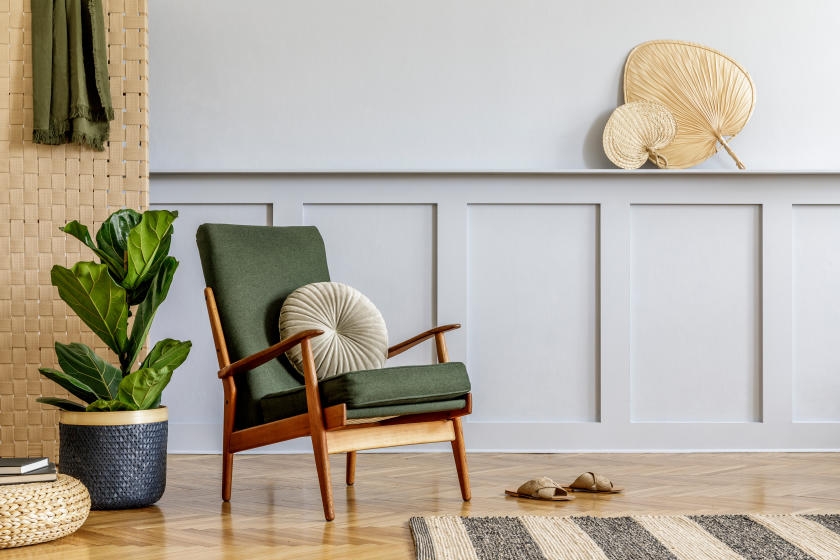
Standard wainscoting height is typically one-third the wall height (30–42 inches), though this varies by ceiling height and room use. For taller rooms or formal settings, full-height paneling or extended wainscoting up to 60 inches may be appropriate. Proportions must consider furniture heights, window sills, and visual balance.
Applications
Residential Interiors
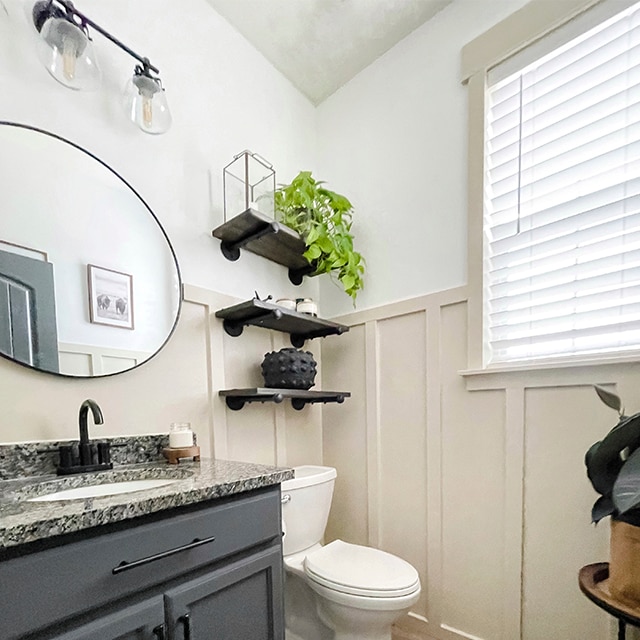
Used in dining rooms, foyers, stairwells, and bathrooms, wainscoting enhances wall durability while providing style continuity. It protects high-contact areas from scuffing and supports transitional design schemes that bridge traditional and modern aesthetics. Paintable MDF and custom wood profiles allow homeowners to tailor appearance to personal style.
Commercial and Institutional Environments
Wainscoting is often installed in hospitality settings, corporate interiors, libraries, and civic buildings to convey tradition, professionalism, or historic continuity. Material choice is driven by durability, fire-rating, and maintenance requirements. In healthcare or education, washable panels and impact-resistant materials are common.
Best Practices
Design and Planning
Successful wainscoting integrates proportion, material choice, and architectural context. Field measurements must consider electrical outlets, wall irregularities, and transitions between finishes. Coordination with trim packages and flooring helps unify design themes across interior elevations.
Installation and Quality Assurance
Accurate layout is essential for symmetry and alignment. Panels should be acclimated before installation to prevent expansion or contraction. Fastening methods vary by material but must allow for seasonal movement. Finishing should seal all panel edges, especially near moisture-prone areas.
Industry Standards
Construction and Finish Guidelines
Architectural Woodwork Institute (AWI) provides standards for panel fabrication, finish quality, and millwork installation. Beadboard and MDF profiles must meet moisture resistance and flame spread standards where required. Paints, stains, and sealants must conform to interior finish codes and VOC regulations.
Building Code and Safety Compliance
Wainscoting in commercial interiors may be subject to ASTM E84 or NFPA 286 flame spread ratings depending on occupancy and building classification. ADA compliance affects wall protrusions and clearances near circulation paths. Electrical box extensions may be necessary when panel thickness exceeds code limits.
Key Considerations
Planning Phase
Determine wainscoting height based on room height, furniture placement, and design goals. Identify transitions with existing moldings, door frames, and HVAC elements. Select panel profile and material suitable for location-specific moisture, impact, and aesthetic needs.
Implementation
Coordinate delivery and storage to prevent warping. Use appropriate backing and adhesives depending on wall substrate. Caulk and fill gaps at panel seams before painting or finishing. Perform mock-ups when multiple materials or profiles are used to evaluate visual consistency.
Material Selection and Durability
Hardwood panels provide long-term durability and can be refinished, while MDF offers lower cost and good paintability. In humid environments, PVC and composite panels offer moisture resistance. Avoid organic-based materials in wet areas unless sealed and ventilated.
Maintenance and Serviceability
Painted wainscoting should be cleaned with non-abrasive solutions to preserve finish. Wood finishes may require periodic re-coating depending on exposure. Damage from impacts or water should be repaired promptly to avoid panel degradation or wall mold growth.
Automation and Smart Integration
Although less common than with window treatments, wainscoting may include integrated LED uplighting or embedded AV conduits in high-end applications. Coordination with building automation is necessary when wainscoting includes integrated lighting or control panels.
Common Issues
Improper alignment, uneven wall surfaces, or unsealed panel joints can result in poor appearance and long-term failures. Use of non-moisture-resistant materials in wet areas leads to swelling and mold. Skimping on trim details may result in a disjointed or incomplete aesthetic.
Project Impact
Visual and Aesthetic Enhancement
Wainscoting adds depth, rhythm, and architectural interest to otherwise flat walls. It frames furniture groupings, enhances room character, and anchors design themes. Quality craftsmanship and proportion reinforce visual coherence and perceived value.
Functional Performance
Wainscoting protects lower walls from damage due to chairs, shoes, or cleaning equipment. It allows periodic refresh of room style without full wall repainting. In commercial settings, it improves durability and reduces maintenance cycles.
Industry Impact
Interior Architecture and Construction
Wainscoting supports a broad ecosystem of finish carpenters, panel fabricators, and trim specialists. It remains a key component in architectural preservation, adaptive reuse, and high-end residential interiors. It reinforces millwork quality standards and design education.
Materials Innovation
Demand for fire-rated, impact-resistant, and eco-friendly panel materials has driven innovations in MDF formulation, composite development, and recycled-content PVC systems. Manufacturers now offer digital customization for panel sizing, profiles, and finishes.
Current Debates
Historical Accuracy vs. Contemporary Interpretation
Designers debate whether wainscoting should preserve traditional form or evolve with contemporary aesthetics. Minimalist versions compete with ornate reproductions, especially in transitional homes and adaptive reuse projects. Proportion and authenticity remain contentious topics in historic renovations.
Prefabrication vs. Site-Fabricated Panels
While prefabricated kits improve installation speed and cost, critics argue that site-built wainscoting offers better fit and finish. Mass customization blurs the line, allowing digital fabrication of site-specific profiles with less labor.
Related Technologies
Digital Design and Visualization
CAD and BIM systems allow designers to model panel elevations in full scale, ensuring alignment with outlets, trim, and transitions. AR tools and rendering software allow clients to visualize height and proportion before installation.
Manufacturing and Fabrication
CNC milling, laser cutting, and automated priming have reduced cost and improved quality consistency. Digital libraries of panel profiles enable scalable production with rapid turnaround and lower tooling costs.
Research and Development
Durable, Low-VOC Finishes
R&D efforts focus on improving water-based coatings and low-emission finishes that meet durability, cleanability, and regulatory requirements for interior millwork.
Sustainable Materials and Lifecycle Impacts
Wainscoting material research includes recycled MDF, renewable binders, and thermoplastic composites with cradle-to-cradle certification. Studies assess lifecycle impacts, repairability, and disposal pathways of panel systems.
FAQs
What is the standard height for wainscoting?
Typical wainscoting height is 32–42 inches or roughly one-third of the wall height. Taller rooms or formal settings may justify higher panels. Always consider ceiling height, window placement, and visual balance.
What’s the difference between wainscoting and panel molding?
Wainscoting refers to full-panel wall treatments, while panel molding creates the appearance of paneling using trim pieces applied to drywall. Wainscoting is generally thicker, more durable, and protective.
What materials are best for bathroom wainscoting?
Use moisture-resistant materials like PVC, fiber-reinforced composites, or sealed MDF in bathrooms. Avoid raw wood unless properly primed and ventilated. Beadboard and flat panel are common profiles.
Can I install wainscoting over drywall?
Yes. Panels are typically installed over drywall using construction adhesive and nails or screws. Ensure the wall is clean and flat. Electrical boxes may require extenders.
Does wainscoting add value to a home?
Well-executed wainscoting enhances perceived quality and aesthetic value, especially in formal areas. It also protects walls and reduces maintenance, contributing to functional longevity.
References
- Architectural Woodwork Standards. (2023). Architectural Woodwork Institute (AWI).
- Finish Carpentry Guidelines. (2023). National Association of Home Builders.
- Building Code Requirements. (2023). International Code Council (ICC).
- Material Manufacturer Specifications. (2023). Armstrong, AZEK, and other wall systems providers.