
Xeriscaping refers to a water-efficient landscaping approach that utilizes drought-tolerant plants, efficient irrigation systems, and sustainable design principles to create attractive outdoor spaces while minimizing water consumption and maintenance requirements. This environmentally responsible landscaping method emphasizes native and adapted plant species, soil improvement, mulching, appropriate turf areas, efficient irrigation, and maintenance practices that reduce water usage by 50-75% compared to conventional landscaping while providing aesthetic appeal, wildlife habitat, and functional outdoor living spaces suitable for arid and semi-arid climates as well as water-conscious communities nationwide.
Xeriscaping
|
|
|---|---|
| Category | Sustainable Landscaping, Water Conservation |
| Subfield | Landscape Design, Environmental Planning, Horticulture |
| Key Characteristics | Water efficiency, drought tolerance, sustainable maintenance |
| Primary Applications | Residential landscaping, commercial properties, public spaces |
| Industry Impact | Water conservation, environmental sustainability, landscape economics |
| Sources: EPA WaterSense Guidelines, Native Plant Society Standards, Landscape Architecture Specifications, Water Conservation Research | |
Other Names
Water-wise landscaping, drought-tolerant landscaping, water-efficient landscaping, native plant landscaping, sustainable landscaping, low-water gardening, desert landscaping
History
1970s: Concept Development and Early Adoption
Xeriscaping principles emerged during the 1970s water crises as landscape professionals and environmental advocates recognized the need for water-efficient alternatives to traditional high-maintenance landscaping that consumed excessive amounts of irrigation water. Denver Water coined the term “xeriscaping” in 1981, combining the Greek word “xeros” (meaning dry) with “landscaping” to describe systematic approaches to water-efficient garden design. Early adoption focused primarily on southwestern United States where water scarcity and desert conditions made water conservation essential for sustainable community development.
1980s-1990s: Formalization and Educational Outreach
The 1980s saw formalization of xeriscaping principles through research institutions, water utilities, and extension services that developed guidelines, plant lists, and educational programs promoting water-efficient landscaping practices. California’s severe droughts during the late 1980s and early 1990s accelerated adoption of xeriscaping principles beyond traditional desert regions as water restrictions and conservation incentives encouraged property owners to reduce landscape water consumption. Professional landscape design programs began incorporating xeriscaping principles as sustainable design became increasingly important in landscape architecture education and practice.
2000s: Mainstream Adoption and Policy Integration
Water conservation concerns and environmental awareness drove mainstream adoption of xeriscaping principles in diverse climatic regions as communities recognized benefits beyond water savings including reduced maintenance costs, improved wildlife habitat, and enhanced property values. Municipal water departments and environmental agencies began promoting xeriscaping through rebate programs, demonstration gardens, and regulatory incentives that encouraged property owners to replace water-intensive landscaping with drought-tolerant alternatives. Climate change concerns and increasing water costs further motivated adoption of water-efficient landscaping practices nationwide.
2010s-Present: Technology Integration and Innovation
Modern xeriscaping incorporates advanced technologies including smart irrigation controllers, soil moisture sensors, and weather-based irrigation systems that optimize water efficiency while maintaining plant health and landscape aesthetics. Climate change adaptation strategies increasingly emphasize xeriscaping principles as communities prepare for increased drought conditions and water supply uncertainties. Green building certification programs including LEED and Water Sense promote xeriscaping as essential components of sustainable site development and water resource management.
Technical Specifications
Design Principles and Water Management
Xeriscaping design follows seven fundamental principles including planning and design, soil analysis and improvement, appropriate plant selection, practical turf areas, efficient irrigation, mulching, and appropriate maintenance that work together to create water-efficient landscapes. Hydrozoning groups plants with similar water requirements to enable targeted irrigation and reduce water waste, while microclimatic analysis identifies areas with different sun exposure, wind patterns, and moisture conditions that affect plant selection and placement. Water budget calculations determine irrigation requirements and enable system design that meets plant needs while minimizing consumption.
Plant Selection and Establishment
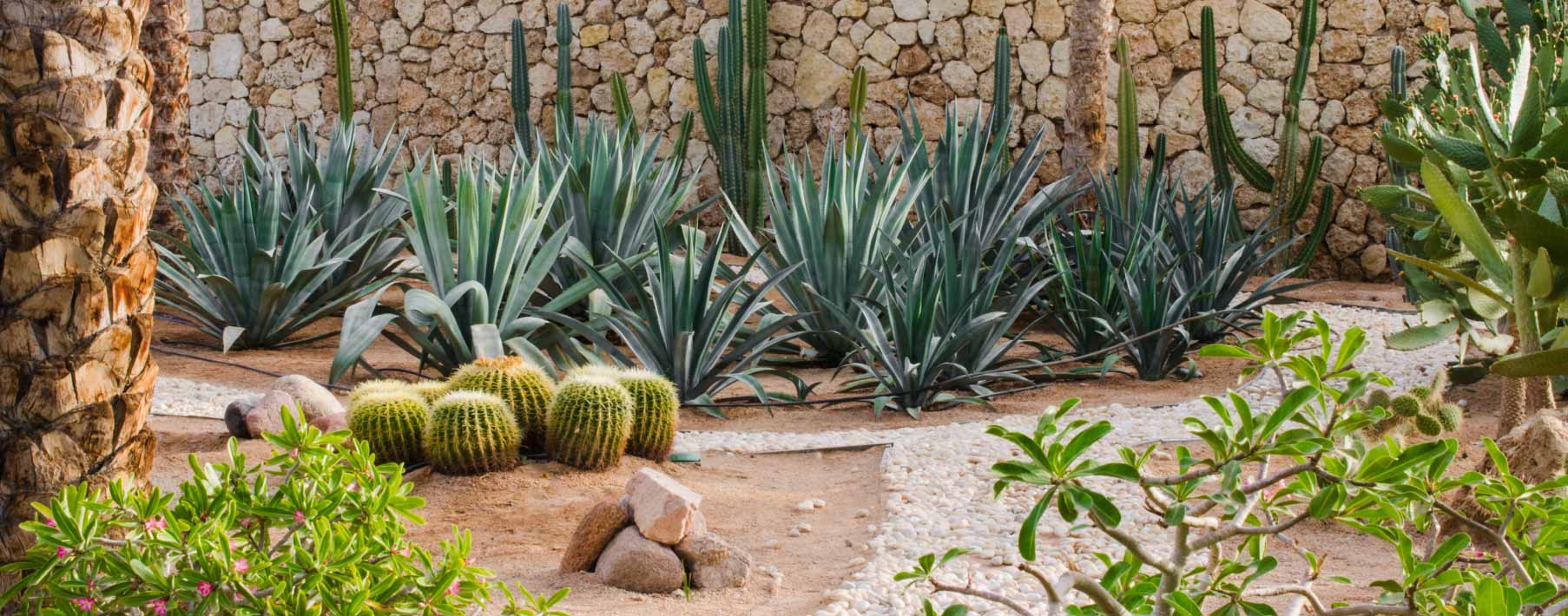
Drought-tolerant plant selection emphasizes native species and adapted plants that thrive in local climate conditions with minimal supplemental irrigation once established. Plant establishment requires temporary irrigation during root development period typically lasting 1-3 years depending on species and growing conditions. Soil preparation including organic matter addition and drainage improvement creates optimal growing conditions that enable plants to develop extensive root systems and drought tolerance capabilities.
Applications
Residential Landscape Design
Residential xeriscaping applications include front yard curb appeal, backyard living spaces, and functional areas that provide beauty and utility while dramatically reducing water consumption and maintenance requirements. Design approaches balance aesthetic goals with practical considerations including family activities, property maintenance, and neighborhood compatibility while maximizing water conservation benefits. Phased implementation enables gradual transition from conventional landscaping to water-efficient alternatives while managing costs and minimizing disruption to established outdoor living patterns.
Commercial and Municipal Applications
Commercial xeriscaping includes office complexes, retail centers, industrial facilities, and institutional properties where water conservation, reduced maintenance costs, and environmental stewardship create economic and public relations benefits. Municipal applications encompass parks, streetscapes, public buildings, and infrastructure corridors where taxpayer cost savings and environmental leadership demonstrate community commitment to sustainability. Large-scale xeriscaping projects often serve as demonstration sites and educational opportunities that promote wider adoption of water-efficient landscaping practices.
Best Practices
Site Analysis and Design Development
Comprehensive site analysis includes soil testing, microclimate assessment, existing vegetation evaluation, and water availability determination that inform appropriate plant selection and irrigation design. Design development integrates functional requirements, aesthetic goals, and maintenance capabilities while optimizing water efficiency and long-term sustainability. Professional landscape design ensures appropriate plant placement, irrigation zoning, and maintenance access while creating attractive and functional outdoor spaces that meet client needs and environmental goals.
Installation and Establishment
Proper installation techniques including soil preparation, plant placement, irrigation system installation, and mulch application ensure successful plant establishment and long-term landscape performance. Establishment care includes appropriate watering schedules, plant monitoring, and maintenance activities that support healthy plant development while transitioning to reduced water requirements. Quality control during installation and establishment phases prevents problems and ensures achievement of design goals and water conservation objectives.
Industry Standards
Water Efficiency and Conservation Standards
EPA WaterSense guidelines establish water efficiency standards and labeling programs for irrigation equipment, landscape design, and maintenance practices that promote water conservation while maintaining landscape quality and functionality. Professional landscape architecture standards address design principles, plant selection criteria, and installation techniques that ensure successful xeriscaping implementation and long-term performance. Municipal water conservation standards may establish requirements or incentives for water-efficient landscaping in new development and landscape renovation projects.
Plant Selection and Horticultural Standards
Native plant society standards and regional plant selection guides provide scientifically based recommendations for drought-tolerant species appropriate for specific climate zones and growing conditions. Horticultural standards address plant quality, installation techniques, and care requirements that ensure successful establishment and performance of drought-tolerant landscaping. Professional certification programs for landscape contractors and irrigation specialists ensure competency in xeriscaping principles and implementation techniques.
Key Considerations
Planning Phase
Xeriscaping planning requires understanding of local climate conditions, water availability, soil characteristics, and regulatory requirements that affect plant selection and design approaches. Budget planning should consider initial installation costs, long-term maintenance savings, and potential utility rebates or incentives that affect project economics and return on investment. Design goals must balance water conservation objectives with functional requirements, aesthetic preferences, and property value considerations that influence long-term satisfaction and success.
Implementation
Installation timing should consider seasonal planting windows, water availability for establishment, and weather conditions that affect plant survival and establishment success. Quality control during installation ensures proper soil preparation, plant selection, irrigation installation, and mulch application that support successful establishment and long-term performance. Coordination with utility companies and local authorities may be required for rebate programs and compliance with water conservation regulations or incentives.
Plant Selection and Adaptation
Appropriate plant selection requires understanding of local climate patterns, soil conditions, and water availability while considering aesthetic goals, functional requirements, and maintenance capabilities. Native plant emphasis provides ecosystem benefits including wildlife habitat and reduced maintenance requirements while ensuring long-term sustainability and environmental compatibility. Plant establishment periods require temporary irrigation and monitoring to ensure successful adaptation and development of drought tolerance characteristics.
Irrigation System Design
Efficient irrigation systems utilize technologies including drip irrigation, smart controllers, and weather-based scheduling that deliver water precisely where and when needed while minimizing waste and runoff. System zoning enables different watering schedules for plants with varying water requirements while controller technology adjusts irrigation based on weather conditions and soil moisture levels. Regular system maintenance and adjustment ensure continued efficiency and prevent overwatering that wastes resources and may harm drought-adapted plants.
Maintenance and Long-term Management
Xeriscaping maintenance emphasizes practices including appropriate pruning, minimal fertilization, and targeted pest management that maintain plant health while preserving drought tolerance and water efficiency characteristics. Mulch management including periodic renewal and weed control maintains soil moisture retention and temperature moderation while reducing maintenance requirements. Long-term management includes plant replacement, system upgrades, and adaptation to changing conditions that maintain landscape performance and water conservation benefits.
Common Issues
Overwatering is a common problem that can harm drought-adapted plants and undermine water conservation goals, requiring education and proper irrigation management to prevent plant damage and water waste. Poor plant selection including species inappropriate for local conditions can result in plant failure and landscape maintenance problems that require replacement and additional investment. Inadequate soil preparation may prevent proper plant establishment and long-term performance, requiring soil improvement and potentially plant replacement to achieve desired results.
Project Impact
Water Conservation and Environmental Benefits
Xeriscaping typically reduces landscape water consumption by 50-75% compared to conventional landscaping while maintaining attractive and functional outdoor spaces that support property values and quality of life. Environmental benefits include reduced strain on water resources, decreased runoff and pollution, enhanced wildlife habitat, and improved air quality through reduced maintenance equipment use. Carbon footprint reduction results from decreased water treatment and distribution energy requirements along with reduced landscape maintenance activities and equipment use.
Economic and Property Value Benefits
Long-term cost savings from reduced water bills and maintenance expenses often offset initial installation costs within 3-7 years while providing ongoing economic benefits throughout landscape life. Property value enhancement results from attractive, sustainable landscaping that appeals to environmentally conscious buyers while demonstrating responsible resource stewardship. Reduced maintenance requirements free time and resources for other activities while ensuring landscape sustainability during drought conditions and water restrictions.
Industry Impact
Landscape Industry Transformation
Xeriscaping principles have significantly influenced landscape design and maintenance practices by promoting sustainable approaches that balance environmental responsibility with aesthetic and functional requirements. Professional education and certification programs ensure landscape contractors and designers understand water-efficient principles and implementation techniques while expanding market opportunities in sustainable landscaping. Industry innovation includes development of drought-tolerant plant varieties, efficient irrigation technologies, and sustainable maintenance practices that support xeriscaping goals.
Water Resource Management
Widespread xeriscaping adoption contributes to municipal water conservation goals and helps communities manage limited water resources while accommodating growth and development pressures. Policy development including rebate programs, landscape ordinances, and development standards promotes water-efficient landscaping while supporting industry growth and environmental goals. Research and demonstration projects provide data and examples that inform policy decisions and encourage broader adoption of sustainable landscaping practices.
Current Debates
Aesthetics vs. Water Conservation
Ongoing discussions address perceived conflicts between traditional landscape aesthetics and water-efficient design, with some arguing that xeriscaping limits design options while others demonstrate that drought-tolerant landscapes can be equally beautiful and more environmentally responsible. Cultural preferences for green lawns and exotic plants challenge xeriscaping adoption in some regions despite water conservation benefits and economic advantages. Education and demonstration projects help address aesthetic concerns while promoting appreciation for natural and sustainable landscape beauty.
Native Plants vs. Adapted Species
Debates continue regarding appropriate emphasis on native plants versus adapted non-native species that provide drought tolerance while potentially offering different aesthetic options or functional characteristics. Ecological purists advocate for exclusive use of native species to support local ecosystems and wildlife, while pragmatic designers argue for inclusion of well-adapted non-invasive species that expand design possibilities. Balanced approaches consider ecological impacts, aesthetic goals, and functional requirements while prioritizing environmental sustainability and water conservation.
Related Technologies
Smart Irrigation Systems
Weather-based irrigation controllers and soil moisture sensors enable precise water management that responds to actual plant needs and environmental conditions while preventing overwatering and water waste. Drip irrigation and micro-spray systems deliver water directly to plant root zones with minimal evaporation and runoff losses compared to traditional sprinkler systems. Remote monitoring and control capabilities enable real-time irrigation management and adjustment based on weather forecasts and soil conditions.
Sustainable Landscape Materials
Permeable paving materials and sustainable hardscape options complement xeriscaping by reducing stormwater runoff while providing functional surfaces for patios, walkways, and driveways. Organic mulches and soil amendments improve soil water retention and plant establishment while supporting sustainable landscape maintenance practices. Recycled and locally sourced landscape materials reduce environmental impact while supporting regional economic development and resource conservation.
Research and Development
Plant Breeding and Selection
Development of new drought-tolerant plant varieties through breeding and selection programs expands options for xeriscaping while improving performance characteristics including disease resistance, aesthetic appeal, and climate adaptation. Research into native plant propagation and cultivation techniques supports availability of appropriate species for regional xeriscaping applications. Climate change adaptation research identifies plants and design strategies that maintain landscape sustainability under changing environmental conditions.
Water Management Innovation
Advanced irrigation technologies including precision application systems, water recycling, and atmospheric water generation explore new possibilities for efficient landscape water management. Research into soil management techniques including biochar application and mycorrhizal inoculation investigates methods for improving plant drought tolerance and reducing irrigation requirements. Climate monitoring and modeling help predict future conditions and inform adaptive management strategies for sustainable landscaping.
FAQs
What types of plants work best for xeriscaping?
Xeriscaping emphasizes native plants and drought-adapted species that thrive in local climate conditions with minimal supplemental irrigation, including ornamental grasses, succulents, Mediterranean herbs, and native wildflowers depending on regional conditions. Plant selection should consider mature size, growth habits, seasonal interest, and water requirements while avoiding invasive species that could harm local ecosystems. Professional consultation helps identify appropriate species for specific sites and design goals while ensuring successful establishment and long-term performance.
How much water can xeriscaping save compared to traditional landscaping?
Xeriscaping typically reduces landscape water consumption by 50-75% compared to conventional turf and exotic plant landscapes while maintaining attractive and functional outdoor spaces. Water savings vary depending on climate conditions, previous landscape water use, and specific design approaches, with greater savings possible in arid regions and water-intensive existing landscapes. Actual savings depend on proper plant selection, efficient irrigation design, and appropriate maintenance practices that optimize water efficiency.
What are the initial costs and long-term savings of xeriscaping?
Initial xeriscaping installation costs may be comparable to or slightly higher than conventional landscaping depending on plant selection and site preparation requirements, but long-term savings from reduced water bills and maintenance costs typically provide positive return on investment within 3-7 years. Savings continue throughout landscape life through reduced irrigation, fertilization, and maintenance requirements while many utilities offer rebates that offset initial installation costs. Professional design and installation ensure optimal results and maximum water conservation benefits.
Can xeriscaping work in humid climates?
Yes, xeriscaping principles including appropriate plant selection, efficient irrigation, and sustainable maintenance practices provide benefits in humid climates by reducing water consumption during dry periods and improving landscape resilience during drought conditions. Plant selection may emphasize different species than arid regions but still focuses on drought-tolerant natives and adapted species that require minimal supplemental irrigation. Water conservation benefits may be less dramatic than in arid regions but still provide economic and environmental advantages.
How do I maintain a xeriscaped landscape?
Xeriscaping maintenance emphasizes practices that preserve plant drought tolerance including minimal fertilization, appropriate pruning, targeted pest management, and careful irrigation management that avoids overwatering. Mulch management including periodic renewal helps maintain soil moisture and temperature while reducing weed growth and maintenance requirements. Professional maintenance services familiar with drought-tolerant plants and water-efficient practices ensure optimal landscape performance and longevity while preserving water conservation benefits.
References
- EPA WaterSense Guidelines. (2023). Environmental Protection Agency WaterSense Program – Water-Efficient Landscaping Guidelines and Standards.
- Landscape Architecture Specifications. (2023). American Society of Landscape Architects – Sustainable Landscape Design Standards and Best Practices.
- Native Plant Society Standards. (2023). Wild Ones Natural Landscapers – Native Plant Selection and Landscape Design Guidelines.
- Water Conservation Research. (2023). Irrigation Association – Water Management and Conservation Research for Landscape Applications.